10 Sep

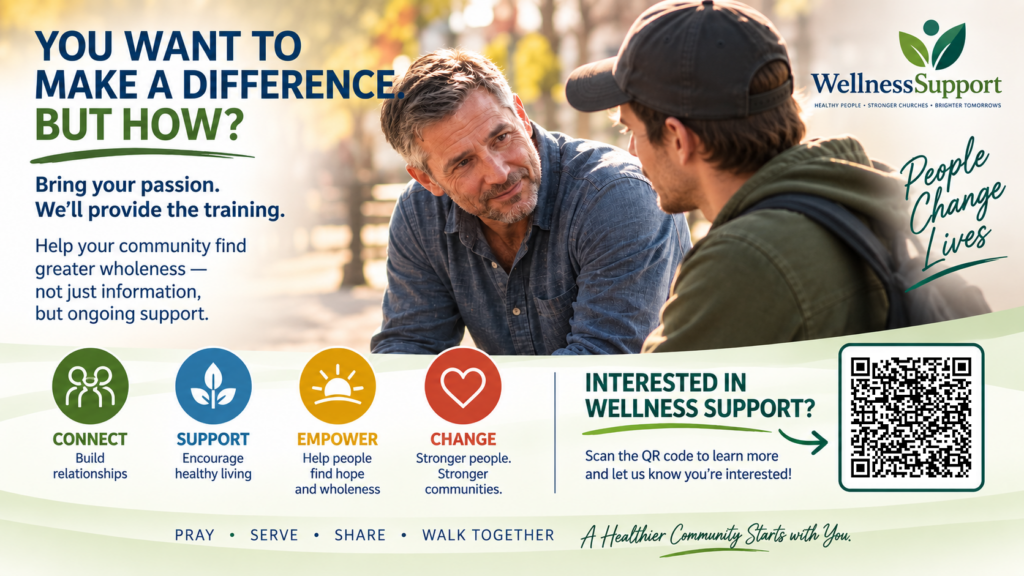
YOU WANT TO MAKE A DIFFERENCE. BUT HOW?

Most of us want our lives to make a difference. We see people in our churches and communities struggling with their health, relationships, discouragement, stress, and the challenges of everyday life. We want to help—but sometimes we simply don’t know how.

That desire may be God’s invitation. When God calls us, He provides both the desire and the ability to follow where He leads.

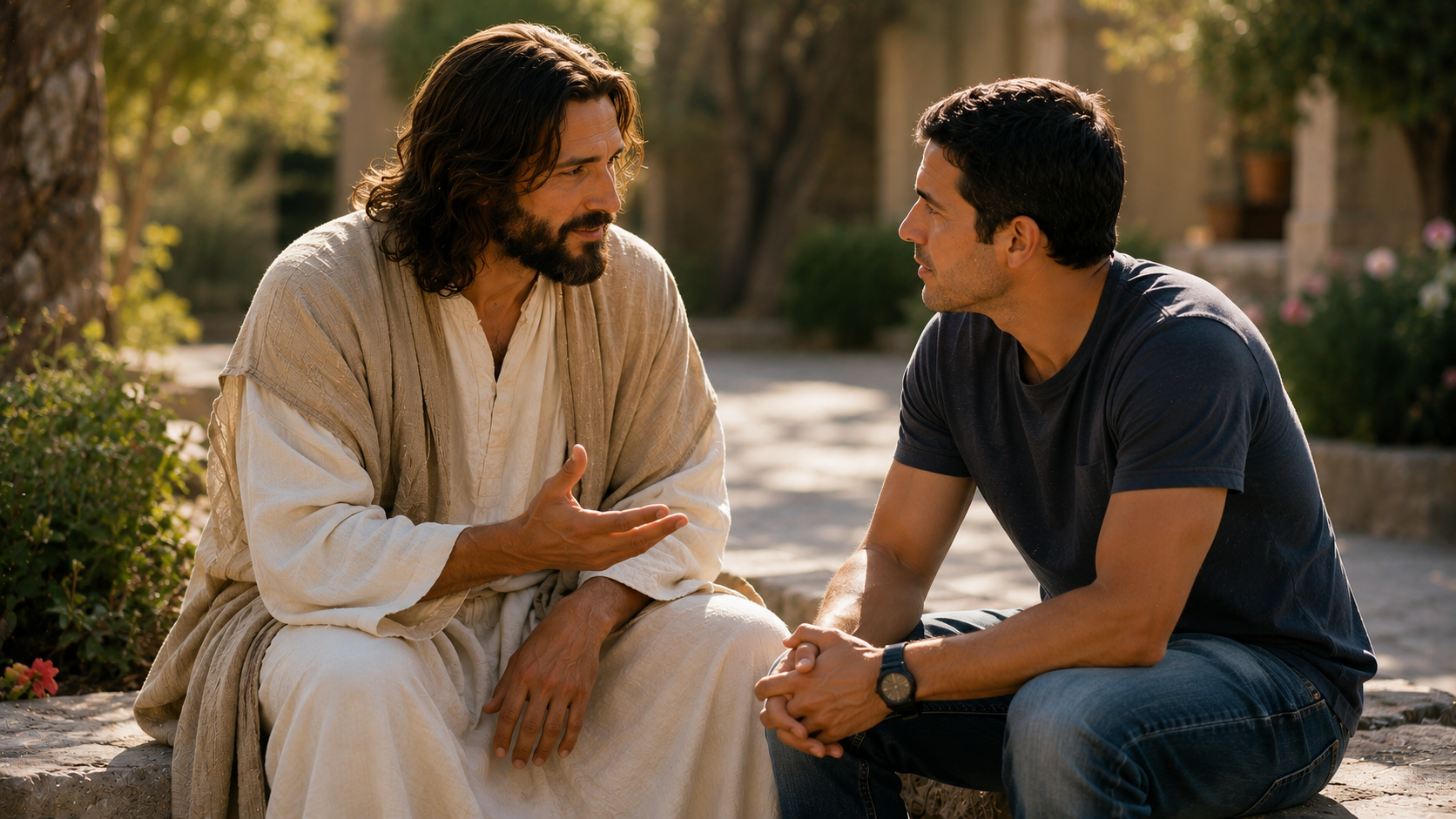
There is no better place to learn how to help others than by studying the life of Jesus. He lived among people. He saw their needs and responded. He felt their pain, understood their longings, and saw what His Father desired for them. Through His words, His actions, and His love, He helped people see what God is truly like.

Now Jesus sends us to do the same.

We cannot accomplish this work in our own strength. We must allow Christ to live in us and make us His workmanship—visible reflectors of His character. It is as though He says:

“I am invisible to the people around you, but you are not. Will you allow Me to live in you so that those you meet each day can discover who I am?”

The Word became flesh in Jesus and lived among us. Today, the character of Christ must again become visible—not merely through what we teach, but through how we listen, care, serve, encourage, and walk beside people.

How do we begin?

  1. Study the ways of Jesus.
  2. Allow Him to live in us through prayer, Scripture, and daily surrender.
  3. Enter everyday life with open eyes—connecting with the people God places in our path through thoughtful questions, a listening ear, and a caring heart.
  4. Share what we have discovered about our good, loving, and powerful God.

This is Wellness Support.

Health information is important, but information alone is often not enough. People also need someone who will be there—someone who will listen, encourage, pray, help them discover practical next steps, and continue walking beside them.

Wellness Support equips ordinary church members to do just that. You do not have to be a health professional or a wellness coach.

He will provide the passion. We’ll provide the training.

Through practical training—including skills from LIFT Jesus’ Way of Coaching—you can learn to connect with people, listen to their stories, encourage healthy change, help them discover hope and greater wholeness, and provide the ongoing support that makes lasting change more possible.

This is not about starting another program simply to give people more information. It is about becoming a church whose members care for people personally—building relationships in our communities and walking beside others as they move toward the life God desires for them.

As Christ’s character becomes visible in His people, the world will be given a clearer picture of God. People will not only hear that He is loving—they will experience His love through us. This is how eyes are opened, hearts are drawn to Him, and people are prepared for His soon coming.

Connect. Encourage. Empower. Walk together.

Could God use you to make a difference in someone’s life?

Perhaps He wants to begin by making a difference in your life—and then reach someone else through you.

Click on the button below and tell us you are interested. We want to discover who God may already be calling to take part in this final work—extending the healing hand of Jesus through Wellness Support.

—Rick Mautz is the Rocky Mountain Conference Wellness Support director. Graphics supplied.

03 Sep

WHAT IF GOD IS TRYING TO SPEAK TO US?

What if God is trying to speak to us?

And what if He sees practices in our lives that make it more difficult for us to recognize His voice? How would a loving God try to get through to us?

Because our focus is health, we need to recognize that lifestyle affects more than the body. It also affects the mind—and the Great Controversy is, in many ways, a battle for the mind.

God does not ordinarily speak to us through an audible voice. He communicates through Scripture, the Holy Spirit, providence, and the thoughts and convictions He brings to our minds. God can reach us under any circumstances, but fatigue, unhealthy habits, compulsive appetites, and mental cloudiness can make it more difficult for us to listen, understand, and respond.

Modern research is also helping us appreciate the close communication between the digestive system and the brain. The food we eat can influence our physical health, energy, mood, and mental functioning. What affects the body can also affect our ability to think clearly and exercise self-control.

This connection is not a new idea. Consider Daniel and his three friends.

When they arrived in Babylon, they faced pressure to adopt the practices of the king’s court. Yet Daniel “purposed in his heart” that he would not defile himself with the king’s food and wine. God honored their faithfulness, and at the end of their period of testing, they were found to possess exceptional wisdom and understanding.

Their clear thinking helped prepare them to comprehend the issues before them and stand firm amid tremendous pressure. Daniel maintained a faithful daily connection with God, and God entrusted him with wisdom, dreams, and visions that would reach far beyond his own generation.

Could Daniel’s experience contain a message for us today?

What If We Have Been Wrong About Health?

We sometimes hear the statement, “What we eat is not a salvation issue.”

I understand why we say this. We are not saved by what we eat. Salvation is the gift of God’s grace received through faith in Jesus Christ. God does not love vegetarians more than people who eat meat, and no menu can earn anyone a place in heaven. We should be especially careful not to burden young people—or anyone else—with a legalistic religion.

But if we are not careful, people may hear something else in that statement: “It doesn’t matter what I eat.”

Perhaps a better way to express the truth would be:

God will never reject us because of what we eat.
However, our lifestyle choices can influence how clearly we think,
how well we exercise self-control, and how readily we respond to Him.

Food does not save us, but neither is it spiritually meaningless. Our daily choices help shape our habits, desires, and ability to make other choices. Anything that persistently clouds the mind, weakens self-control, or strengthens unhealthy appetites can affect our relationship with God.

That is why biblical health instruction should not be presented as a method of earning salvation. It is a loving gift from the One who created us and understands our minds and bodies better than anyone else.

Instructions—or Invitations?

What if God’s instructions are blessings rather than burdens?

What if a few harsh or fanatical approaches to health have caused us to disregard wise counsel that was originally given in love?

What if, at the very time when we need clear minds the most, our culture is moving further away from the lifestyle that supports clear thinking?

And what if the enemy is pleased when health reform is portrayed as either a means of salvation or as something that does not matter at all?

Both extremes miss the heart of God.

We are preparing to face intense spiritual confusion, temptation, and pressure. God wants us to meet these challenges with minds that are awake, discerning, and receptive to His Spirit. His health principles are not arbitrary restrictions. They are part of His desire to restore us—to bring our physical, mental, relational, and spiritual lives into harmony with Him.

This is not merely about choosing one food instead of another. It is about asking:

“Lord, is there anything in my lifestyle that is making
it harder for me to hear You and respond?”

That question may involve food, but it can also involve sleep, physical activity, stress, media, addictive habits, or an overcrowded schedule. The purpose is not condemnation. It is a willing heart that says, “Lord, I want every part of my life to belong to You.”

“But it is So Hard”

Yes, change can be difficult.

Knowing what to do is not always enough. People also need encouragement, practical help, prayer, accountability, and someone willing to continue walking beside them.

That is why we now call our health ministry Wellness Support.

If God is speaking to your heart about your health and you would like help taking the next step, we are here for you. Please contact Wellness Support at (303) 282-3676 or reach out to Rick Mautz at [email protected] . Through Christian coaching, practical lifestyle instruction, prayer, and ongoing support, we want to help—not judge—you.

Perhaps God is trying to speak to us.

Let us ask Him for ears willing to hear, minds prepared to understand, and hearts ready to follow wherever He leads.

* The information provided is for general informational purposes only and is not intended as medical advice. Always seek the guidance of a qualified healthcare professional with any questions regarding your health or medical conditions. Reliance on any information provided is solely at your own risk.

—Rick Mautz is the Rocky Mountain Conference Wellness Support director. Photo supplied.

27 Aug

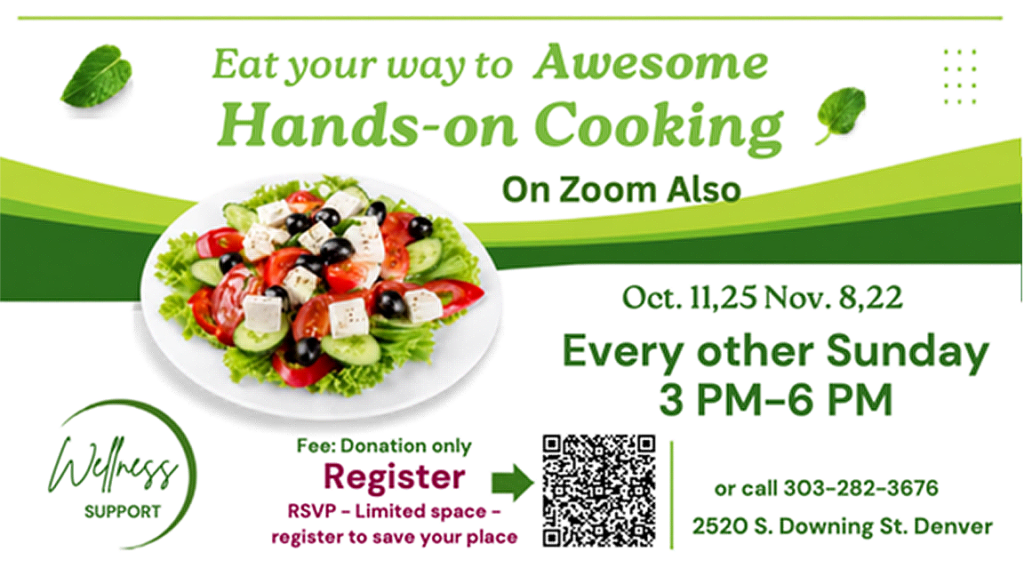
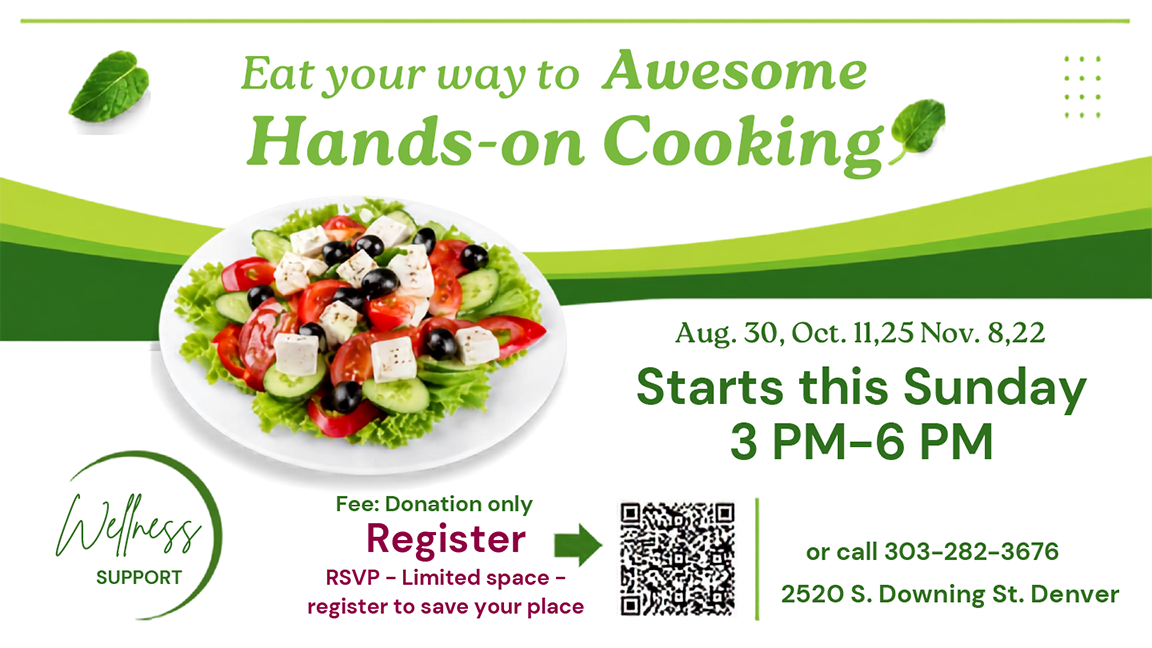
GREAT-TASTING MEALS. GREAT NUTRITION: HANDS-ON COOKING & NUTRITION CLASSES

What if the meals you prepare for your family could taste great—and help provide the nutrition their bodies need each day?

That’s the focus of our new hands-on cooking classes!

Beginning Sunday, August 30, we’ll start with the “Daily Dozen,” a simple, science-based guide to foods that can help meet our daily nutritional needs. Then we’ll put it into practice.

You’ll learn how to:

  • Understand what your body needs each day
  • Plan simple, nutritious daily menus
  • Prepare delicious, practical recipes
  • Turn good nutrition into meals your family will enjoy

And because this is a hands-on cooking class, you won’t just hear about healthy eating—you’ll prepare the food yourself.

AND YES … YOU GET TO EAT THE RESULTS!

This is more than a cooking class. It’s a fun, practical nutrition education experience designed to help you take what you learn home to your own kitchen. The class is free but donations to help cover the cost of the materials are appreciated.

COME COOK WITH US!

Space is limited — registration is required.

Register: Click on the link below or call: 303-282-3676

Starting: Sunday, August 30 | 2:00 – 5:00 PM

Location: RMC Wellness Center – 2520 S Downing St, Denver CO, 80210

06 Aug

BUILDING A FOUNDATION FOR HEALTH

Where do you begin when you’re looking for answers to a health concern?

Of course, the first step is to work closely with your primary health care provider, especially if your condition is serious, urgent, or involves medication. God has blessed us with many skilled health professionals, and wise medical care has an important place in caring for our bodies.

Yet many people today also turn to the internet—Google, AI, social media, and countless health websites—in search of answers. While I appreciate people taking a personal interest in their health, the amount of information available can be overwhelming. Every day, we are presented with new diets, miracle supplements, and claims of cures for almost every illness imaginable. Some advice is excellent; some is questionable; some can even be harmful.

How do we know where to begin?

Before searching for the right health solution, I believe we need the right foundation.

Many people become so focused on finding the perfect treatment that the search itself becomes all-consuming. This reminds me of the woman in the Bible who suffered for twelve years. She sought help from many physicians and spent everything she had yet her condition only became worse. Finally, she came to Jesus, and He healed her because she trusted Him.

What made the difference?

Her faith was not simply believing she would get better. It was trust in the One who could heal her. Genuine faith begins with trusting someone who is completely trustworthy.

Jesus is no longer physically present on earth, but He is alive. His promises remain, and His counsel continues to guide those who seek Him. If we sincerely ask Him for healing, wisdom, or direction, I sometimes wonder if His first question might be, “Have you read the instructions I have already given you?”

This leads to an important question. Is it really trust if we gladly follow the instructions we enjoy but ignore those that require us to change something we want? Faith is more than believing God exists. It is believing that He loves us, that His wisdom is perfect, and that every instruction He gives is for our good.

So, before we begin searching for the latest health information, perhaps we should ask ourselves four foundational questions.

  1. Do I believe God is trustworthy?
  2. Do I believe He loves me and desires what is best for me?
  3. Has He given us principles for health and healthy living?
  4. Am I willing to follow all of His instructions, even when they require change?

You may be thinking, “Rick, I thought this article was going to help me find answers to my health questions. Instead, you’ve been talking about faith.”

That’s true—but only because faith is where the search begins.

I’m not suggesting that what we eat, how we exercise, or how we sleep doesn’t matter. Nor am I suggesting that we ignore modern medical care. God often works through healthy living, wise medical treatment, and the knowledge He has allowed us to discover.

What I am saying is that every lasting health journey needs a solid foundation, and that foundation is simple:

Love God. Trust Him. Follow His instructions.

From that foundation, we can build a balanced approach to health that includes:

  1. Living according to God’s original design for His children.
  2. Learning how our bodies function so we can care for them wisely.
  3. Using modern medicine thoughtfully and appropriately.
  4. Guarding our minds as carefully as we guard our bodies.
  5. Learning how to evaluate the credibility of health information.

These are principles I hope to explore in future articles. But before we build the walls, we need to be sure the foundation is secure.

Here are a few questions to help you evaluate your own foundation.

  • Do I knowingly ignore any instruction God has given?
  • Do I see His instructions as burdens—or as blessings?
  • Do I trust His wisdom, even when I don’t fully understand it?
  • Do my daily choices generally reflect His principles?
  • Do I welcome His correction as much as His encouragement?
  • Do I believe God is personally interested in my health and well-being today?

If your answers reveal uncertainty, perhaps this is the place to begin, to return to the foundation.

  • I believe God loves me.
  • I believe He is completely trustworthy.
  • I believe He has given principles for healthy living.
  • I choose to follow His instruction because I know He always desires my highest good.

Building good health is much like building a house. Before choosing the paint, the windows, or the furnishings, you make sure the foundation is solid. The same is true with our health. When our lives are built on trusting God and following His loving instruction, every other health decision rests on a firm foundation.

If you would like to discuss these ideas or have questions about developing a healthy lifestyle, please contact Wellness Support at 303-282-3676.

* The information provided is for general informational purposes only and is not intended as medical advice. Always seek the guidance of a qualified healthcare professional with any questions regarding your health or medical conditions. Reliance on any information provided is solely at your own risk.

—Rick Mautz is the Rocky Mountain Conference Wellness Support director. Photo by Rodolfo Quirós of Pexels.

17 Jun

JOY OR FEAR—THE CHOICE IS OURS

As we look around at our world today, it is easy to become discouraged. Political division, violence, hatred, uncertainty, and lawlessness seem to be increasing everywhere. Many people are filled with worry and anxiety, wondering what the future holds.

But I have chosen a different focus. More than fifty years ago, I discovered a promise that has given me peace and confidence throughout life. It was found in Romans 8:28:

And we know that all things work together for good to them that love God, to them who are the called according to His purpose.

The translation I was reading at the time read “to those who are partners in His plans for them.” God is able to work all things together for good, but He is looking for people who are willing to partner with Him in His plans.

What an amazing partnership!

Imagine working with Someone who is loving, kind, infinitely wise, humble, and completely committed to your growth and development. He does not do everything for us, but patiently teaches, guides, and develops us into mature and effective workers.

If we trust Him, follow His instructions, and search for truth as for hidden treasure, we have nothing to fear. In fact, the future is beyond anything we can imagine. Personally, I am excited to begin experiencing that future now.

And why would we want to limit such a partnership? His wisdom extends to every area of life—our spiritual life, our physical health, our habits, our family relationships, our work, our finances, our recreation, and our service to others. There is no part of life that He cannot improve if we are willing to invite Him in.

Even in matters of health, God has much to say. The Creator who designed our bodies also gave instructions for their care. Beginning with His original diet in Eden and continuing through the practical principles found throughout Scripture, He has provided a wealth of treasures for those willing to search.

Are we willing to trust the Creator’s instructions for caring for His creation? After all, who knows better how to maintain and enjoy the human body than the One who designed it?

Many people fear that God’s counsel will deprive them of pleasure or freedom, but the opposite is true. His instructions are expressions of love, intended to bring greater health, clearer minds, more abundant energy, and a deeper appreciation of life itself. Like all of God’s counsel, His health principles are not burdens to endure, but treasures to discover.

As we discover the beauty of this relationship, we naturally desire His blessing in every area. Another promise has brought me tremendous comfort:

For I am persuaded, that neither death, nor life, nor angels, nor principalities, nor powers, nor things present, nor things to come … shall be able to separate us from the love of God, which is in Christ Jesus our Lord (Romans 8:38-39).

Nothing can separate us from His love. This relationship is not temporary—it is preparation for eternity. Today is practice time for our forever life with Him and with those we love, when sin, suffering, disease, and death will be no more.

As we walk with God, we soon discover that each instruction He gives touches us differently. Some things come easily, others challenge us. Sometimes His counsel even corrects us. Yet every instruction comes from a loving Father who knows our needs far better than we know them ourselves.

Think about some of the areas in which God offers counsel:

  • Health and lifestyle
  • Diet and habits
  • Family and relationships
  • Business and finances
  • Recreation and entertainment
  • Music and reading
  • Service and ministry
  • Spiritual growth and worship

How do we respond when God’s wisdom touches one of these areas? Do we welcome His guidance, or do we prefer to make our own decisions? Sometimes we avoid searching because we suspect we already know what He might ask of us, and we would rather not face the choice.

But this is exactly the point—life works best in partnership with God. Going it alone may seem easier, but it never brings the peace, joy, and confidence that comes from trusting His perfect wisdom.

God’s instructions are not burdens designed to rob us of happiness. They are treasures meant to enrich our lives. They are expressions of His love.

These treasures are found in His Word. The Bible reveals His character and His will. Books by Ellen G. White such as Steps to Christ and The Desire of Ages help us know Him more personally. The Ministry of HealingEducationCounsels on Diet and Foods, and the Testimonies for the Church contain practical instruction for daily living.

The treasure is there. Search for it. Dig deeply. Ask questions. Learn all you can about this wonderful Partner. The rewards are beyond measure.

We can live in fear, or we can live in joyful confidence.

The choice is ours.

—Rick Mautz is the Rocky Mountain Conference Wellness Support director. Photo by DS stories of Pexels.

27 May

PROTEIN: HOW MUCH DO WE REALLY NEED?

Protein has long been emphasized in discussions about nutrition. In fact, a century ago, recommended protein intakes were more than double what we recognize as necessary today. By the 1950s, concerns about “protein deficiency” had become widespread, and many believed the world was facing a major protein shortage.

Over time, however, nutrition science began to reevaluate these assumptions. One condition often linked to protein deficiency, called kwashiorkor, was later found to be far more complex than originally thought. Researchers discovered that severe malnutrition involves many factors, including overall calorie intake and even changes in gut health.

As more research emerged in the 1970s, scientists significantly recalculated human protein requirements. Recommendations for infants, for example, were lowered substantially as evidence showed that the body requires less protein than previously believed.

One fascinating observation comes from human breast milk. During infancy—the period of fastest human growth—breast milk naturally contains a relatively modest amount of protein compared to the milk of many other mammals. Yet it provides exactly what human babies need for healthy growth and development. This reminds us that more protein is not always better.

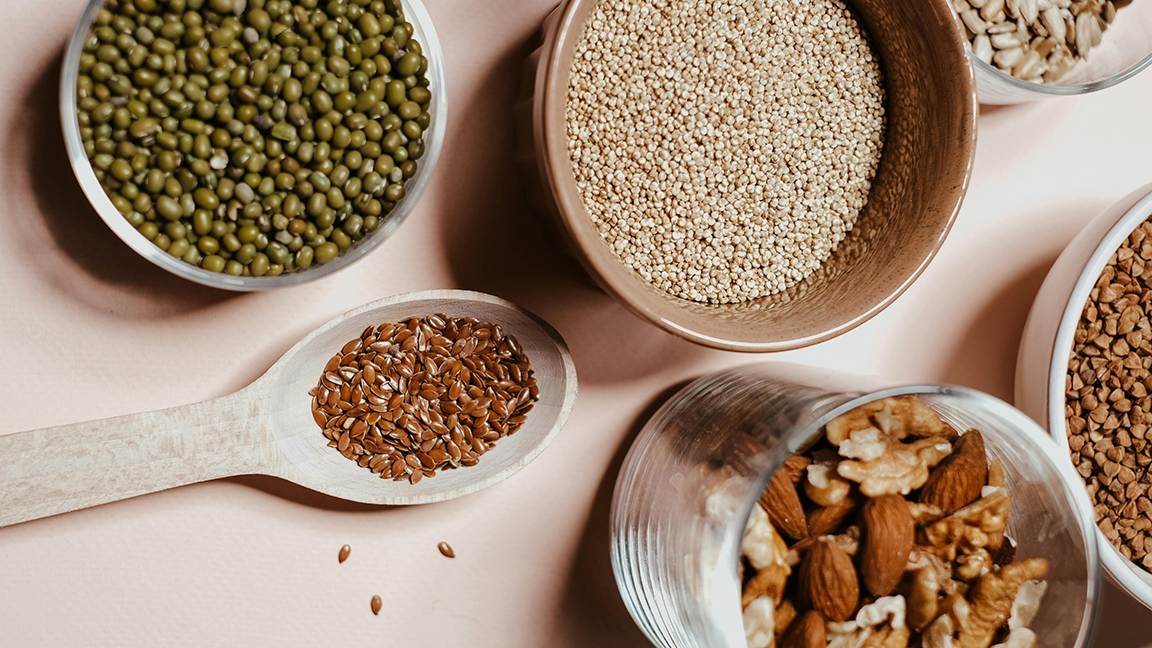
Current recommendations for healthy adults are generally about 0.8 grams of protein per kilogram of body weight per day. For many people, this amount is not difficult to achieve through a balanced diet that includes foods such as beans, lentils, whole grains, nuts, seeds, and vegetables.

In today’s culture, protein is often heavily promoted, and many people worry they are not getting enough. Yet for most individuals eating adequate calories from a varied diet, true protein deficiency is uncommon.

In contrast, consistently consuming excessive amounts of protein may carry health concerns. Some studies have linked long-term high-protein diets with stress on the kidneys, calcium imbalance, and increased risk for certain chronic diseases.

Good nutrition is not about extremes but about balance, wisdom, and caring for the bodies God has given us. A wholesome diet built around natural, minimally processed foods can provide the nutrients we need while supporting long-term health and well-being.

—Rick Mautz is the Rocky Mountain Conference Wellness Support director. Photo by Vie Studio of Pexels.

27 May

REFLECTION: OPINIONS CAN BE RISKY

During Memorial Day weekend, I spent several hours doing some fairly strenuous work around the house. Oddly enough, some of my clearest thinking happens while doing simple, repetitive tasks—this time was while feeding branches into the chipper.

As I worked, I reflected on a comment made after a recent health sermon I presented. One church member told my wife at our information table about needing to consume meat due to the physical rigors of his profession.

I was not there at the time, so I did not have the opportunity to talk with him. Sometimes people express opinions about health that are based on their preferences, culture, upbringing, or something other than the Word of God bolstered by scientific research. The conversation stayed with me, though, because I imagine he is not alone in holding that belief.

As Wellness Support director for the Rocky Mountain Conference, I take seriously the responsibility of doing more than simply sharing personal opinions. When discussing health, especially subjects like the use of animal products in the diet, I want to rely on the strongest foundations possible. For me, that foundation includes both the counsel God has graciously given through Ellen G. White and the growing body of scientific evidence supporting those principles.

Of course, there are many opinions on these topics. But opinions, even sincerely held ones, can sometimes lead us toward conclusions or practices that may not produce the best outcomes physically, mentally, or spiritually.

That is why I try to be careful not to build my beliefs merely on preference, tradition, or convenience. Instead, I believe we should all be willing to examine our assumptions, honestly and prayerfully, especially when those assumptions may be tied to habits we cherish.

As followers of Christ, we are called to pursue truth with humility and openness. Sometimes that journey challenges long-held beliefs. Yet growth often begins when we are willing to ask ourselves not simply, “What do I prefer?” but rather, “What is true, and what is better?”

—Rick Mautz is the Rocky Mountain Conference Wellness Support director. Photo by Miguel Á. Padriñán of Pexels.

30 Apr

TAKE CONTROL OF HIGH BLOOD PRESSURE—NATURALLY

High blood pressure is often called the silent killer—and for good reason. Left unchecked, it significantly raises your risk of heart attack, stroke, kidney disease, and heart failure. The danger is that it often develops without obvious symptoms, quietly damaging your body over time.

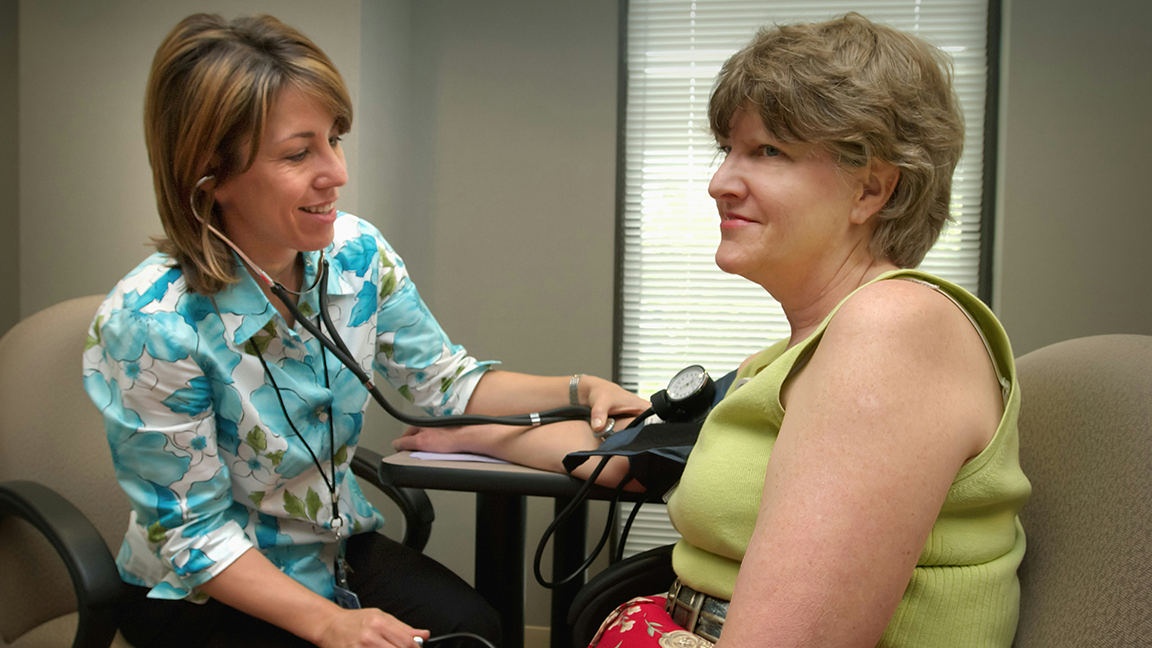
Managing high blood pressure should always involve working with your physician. But medication is only part of the picture. The encouraging news is that lifestyle choices can have a powerful impact sometimes even reducing the need for medication when done consistently and correctly.

The Daily Habits That Lower Blood Pressure

There are several proven practices that can help bring blood pressure under control:

  • Cut back on ultra-processed foods—if you can’t recognize its original form, limit it
  • Reduce visceral fat drivers like excess calories, sugar, refined carbohydrates, and alcohol
  • Measure your blood pressure correctly—accuracy matters more than you think
  • Eat nitrate-rich foods like leafy greens and beets to support blood vessel health
  • Increase potassium intake through foods like beans, lentils, potatoes, bananas, and avocados
  • Stay physically active to support weight and cardiovascular health
  • Prioritize quality sleep and get evaluated for sleep apnea if needed
  • Limit or eliminate alcohol, which can raise blood pressure even in small amounts
  • Don’t rely on medication alone—address the root lifestyle causes

A Less Obvious Cause: When You Eat

Most people have heard that salt affects blood pressure. And while sodium does play a role, it’s rarely the whole story. Think of salt like oxygen in a fire—it can intensify the problem, but it’s not usually the root cause.

One often-overlooked factor is insulin resistance.

After you eat, your body releases insulin to help move glucose into your cells. Between meals, insulin levels are supposed to fall. But if you’re eating constantly—snacking, grazing, or drinking caloric beverages throughout the day—your insulin levels stay elevated.

Why does that matter?

Because high insulin levels signal your kidneys to retain sodium. That means even if you’re eating a low-salt diet, your body may still be holding onto excess sodium—keeping your blood pressure elevated.

Over time, persistently high insulin can lead to insulin resistance, where your cells stop responding effectively. This not only increases diabetes risk but also contributes to ongoing high blood pressure.

What You Can Do About It

Improving insulin sensitivity doesn’t require extreme measures; it comes down to consistent, practical habits:

  • Avoid constant snacking and give your body time between meals for insulin levels to drop
  • Focus on whole, unprocessed foods
  • Reduce excess dietary fat and refined carbohydrates
  • Stay physically active throughout the day

The Bottom Line

High blood pressure isn’t just about salt—and it isn’t something to ignore. By understanding the deeper drivers, like insulin resistance and eating patterns, you can take meaningful steps to improve your health.

Small daily choices add up. And in this case, they can make a life-saving difference.

—Rick Mautz is the Rocky Mountain Conference Wellness Support director. Photo by CDC of Unsplash.

16 Apr

WHAT’S AT STAKE ON YOUR PLATE?

I want to begin with a story.

Years ago, when my kids were young, I took them cross-country skiing in the Sierra Nevada mountains near Tahoe, California. Cross-country skiing is really just hiking in the snow—but that day, it turned into something more serious.

We were heading toward a small cabin used as a shelter for hikers. Along the way, my kids were dragging behind, complaining, and not paying much attention to where we were going. Then the weather began to change. Snow started falling harder and visibility dropped. The trail became harder to see.

I realized we could have a real problem if we didn’t pick up the pace.

So, I stopped, gathered them close, and spoke plainly: this was serious. If we lost the trail or the storm worsened, we could be in danger. That moment changed everything. Their attitude shifted instantly. Complaints stopped. Focus sharpened. Our pace more than doubled, and we reached the cabin safely.

The difference wasn’t my instructions—they had heard those all along.
The difference was understanding what was at stake.

Why Understanding Comes First

In many ways, this is how we respond to information about health and diet. Until we truly understand why something matters, we don’t act on it.

It does little good to talk about principles of healthy eating if we don’t first grasp their importance. Many people have heard the idea that “what you eat isn’t a salvation issue,” and conclude that food simply doesn’t matter very much.

But that conclusion misses something important.

Food Isn’t the Issue—But the Mind Is

It’s true, God does not reject a person based on what they eat.

But what we eat affects something incredibly important: our minds. And our minds are where every choice is made.

If our thinking is clear, balanced, and disciplined, we are better equipped to make wise decisions. If our thinking is clouded, impulsive, or easily influenced, we become more vulnerable to poor choices, unhealthy habits, and even deception.

So, while food itself is not a salvation issue, the effect it has on our thinking—and therefore our choices—matters more than we often realize.

A Battle of Influence

The Bible reminds us:

Be alert and of sober mind. Your enemy, the devil, prowls around like a roaring lion looking for someone to devour (1 Peter 5:8)

We live in a world full of competing influences. Some lead toward clarity, self-control, and life. Others lead toward confusion, excess, and harm.

When it comes to food, this contrast has become especially clear in the modern world

How Food Has Changed

Over the past century, our diet has shifted dramatically. Whole, natural foods have increasingly been replaced by products that are refined, engineered, and designed for maximum taste and convenience.

Many of these foods are created to be highly stimulating, encouraging us to eat more than we need and crave more than is good for us.

This constant overstimulation can affect the brain’s reward system, making it harder to experience satisfaction, maintain self-control, and think clearly. Instead of supporting our well-being, food can begin to work against it.

God’s Design vs. Man’s Design

From the very beginning, God provided a simple, natural pattern for food—one designed not only for nourishment, but for balance and well-being.

There is wisdom in this idea … God is trying to lead us back, step by step, to His original design, that man should subsist upon the natural products of the earth.

Natural, whole foods tend to bring steady energy, clearer thinking, and a more balanced sense of satisfaction. In contrast, heavily processed foods often promise greater pleasure—but leave us wanting more, not less.

It’s a pattern many of us have experienced.

A Question Worth Asking

Jesus once taught that those who drink from the world’s water will thirst again. The same principle can apply to what we eat.

When we rely on foods designed to overstimulate appetite, we often find ourselves less satisfied, not more.

So, it’s worth asking a simple question:

Where does my food come from—and what is it doing to me?

Is it supporting clarity, balance, and health?
Or is it feeding cycles of craving, fatigue, and foggy thinking?

What’s at Stake

Here is the question I want to leave with you:

What if the very time we need clear thinking the most is the time we have most drifted away from the habits that support it?

God’s desire is not to restrict us, but to guide us toward a better way of living—one that brings both present well-being and lasting good.

The choice, as always, is ours.

And it may begin more simply than we think—with what’s on our plate.

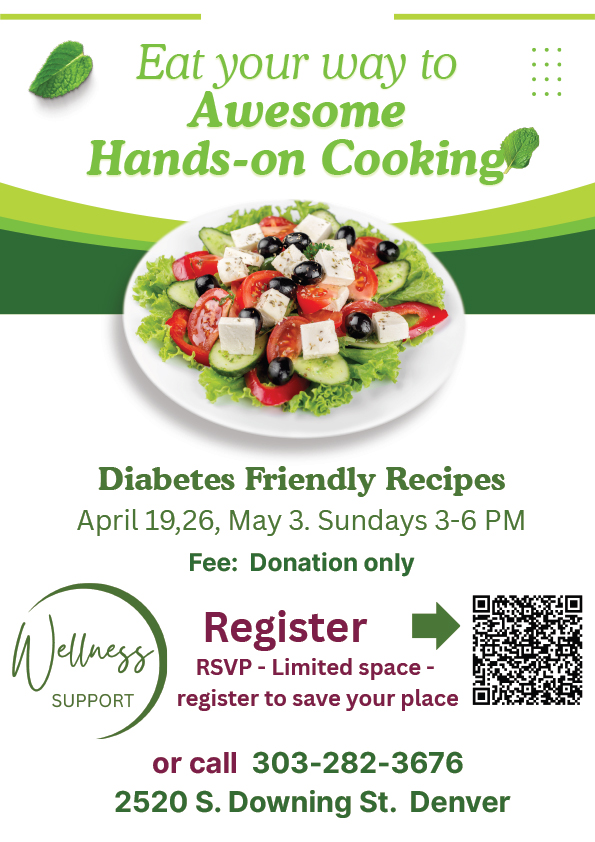
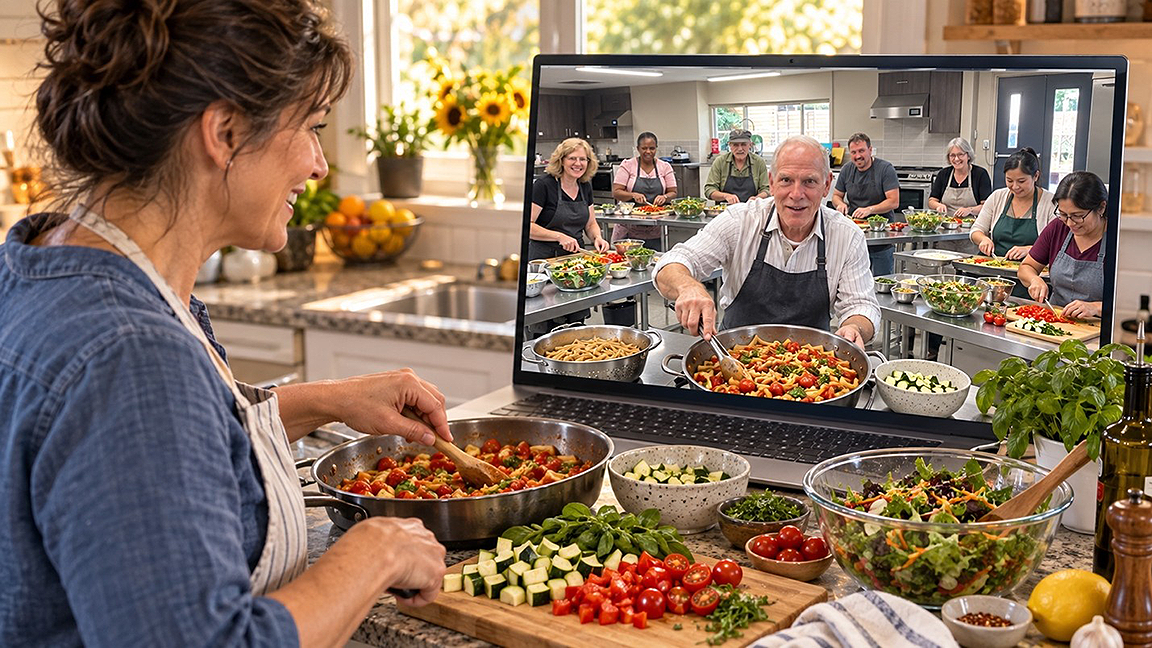
If you are struggling with how to fix food that strengthens your mind, you may want to attend one of our hands-on cooking classes at the Wellness Support Center. See more details below.

If you are unable to attend but would like the recipes, use the QR code and choose “unable to attend but would like recipes.”

—Rick Mautz is the Rocky Mountain Conference Wellness Support director. Photo by S. Laiba Ali of Unsplash.

02 Apr

THE LAODICEAN CHURCH: THE LAODICEAN MESSAGE IS GOOD NEWS – PART 3

Editor’s Note: This is the third part to a discussion on Jesus’ message to the Laodicean Church and its relevance today.


Did you know that the message to the Laodicean Church is actually good news? At first, it may not seem that way because it begins with a warning and a very honest diagnosis. But that is exactly what a good physician does—he tells the truth about the condition of the patient, even when the news is difficult to hear.

Imagine a doctor saying, “I’m sorry, but you have cancer, you are going blind, your relationships are broken, and you are financially bankrupt.” That would be devastating news.

But what if the doctor continued with “I can help you. If you are willing to work with me, I can treat each of these problems. Someone has already volunteered to pay for all the treatments. I want you to focus on your future, not your past. You can be healthy, you can see clearly, your needs can be provided for, and you can become a loving and lovable person. I can guarantee this outcome if you are willing to work with me. Are you interested?”

That is essentially the message to the Laodicean Church. Yes, the diagnosis is serious, but the cure is provided, the price has been paid, and the future can be completely different. The message is not meant to discourage us—it is meant to prepare us.

The message to Laodicea is especially significant for God’s people today. Even the disciples, after spending three and a half years with Jesus, were not ready to give the message that would change the world. Their final preparation included learning humility at the Last Supper, seeing true love revealed at the cross, experiencing unity through prayer and surrender, and then receiving the Holy Spirit at Pentecost. Only then were they ready.

The Laodicean message is the same kind of final preparation for God’s people today—a preparation for what many have called a second Pentecost. But it begins the same way it did for the disciples: with the recognition that we are not as strong, wise, or clear-sighted as we think we are. We must be humble enough to accept the diagnosis and willing to receive the cure.

One part of the cure that is especially interesting is the “eyesalve.” The goal of eyesalve is not simply better physical eyesight, but the ability to truly see—to understand and to have mental and spiritual clarity. Before Pentecost, the disciples heard Jesus’ words but did not understand them. After Pentecost, their minds were clear. They understood His mission, their purpose, and they were able to listen to and follow the guidance of the Holy Spirit.

The same can be true for us, but we must recognize that there are obstacles that prevent us from seeing clearly. We can hear truth week after week and still not truly understand it. Something may be affecting our ability to think clearly and discern truth.

This is where true science provides an interesting insight. Modern research into the gut microbiome has revealed a powerful connection between gut bacteria, the substances they produce, and brain function—especially mental clarity, mood, and the ability to think clearly. What we eat either strengthens this system or weakens it. Unfortunately, many of the foods people crave the most are the very foods that damage this system, and many of them are intentionally engineered to be addictive, making it very difficult to give them up.

If our minds are being dulled by what we eat, we may hear truth but struggle to truly grasp it. In that sense, the “eyesalve” may include not only spiritual renewal but also caring for the physical body and brain so the mind can function clearly.

Interestingly, the foods that best support the gut and brain are very similar to the simple, natural foods God originally gave to humanity—foods that nourish rather than overstimulate and damage. Both Scripture and science are pointing in the same direction. When we ignore either one, we do so at our own peril.

The message to Laodicea is not a message of rejection—it is a message of invitation. It is an invitation to see clearly, to be healed, to be restored, and to be prepared for the work God wants to do through His people. It is not bad news. It is the best news possible, because the diagnosis is given by the True Witness and the cure is guaranteed by the Great Physician.

—Rick Mautz is the Rocky Mountain Conference Wellness Support director. Photo by Sherif Emad of Pexels.