Protein has long been emphasized in discussions about nutrition. In fact, a century ago, recommended protein intakes were more than double what we recognize as necessary today. By the 1950s, concerns about “protein deficiency” had become widespread, and many believed the world was facing a major protein shortage.
Over time, however, nutrition science began to reevaluate these assumptions. One condition often linked to protein deficiency, called kwashiorkor, was later found to be far more complex than originally thought. Researchers discovered that severe malnutrition involves many factors, including overall calorie intake and even changes in gut health.
As more research emerged in the 1970s, scientists significantly recalculated human protein requirements. Recommendations for infants, for example, were lowered substantially as evidence showed that the body requires less protein than previously believed.
One fascinating observation comes from human breast milk. During infancy—the period of fastest human growth—breast milk naturally contains a relatively modest amount of protein compared to the milk of many other mammals. Yet it provides exactly what human babies need for healthy growth and development. This reminds us that more protein is not always better.
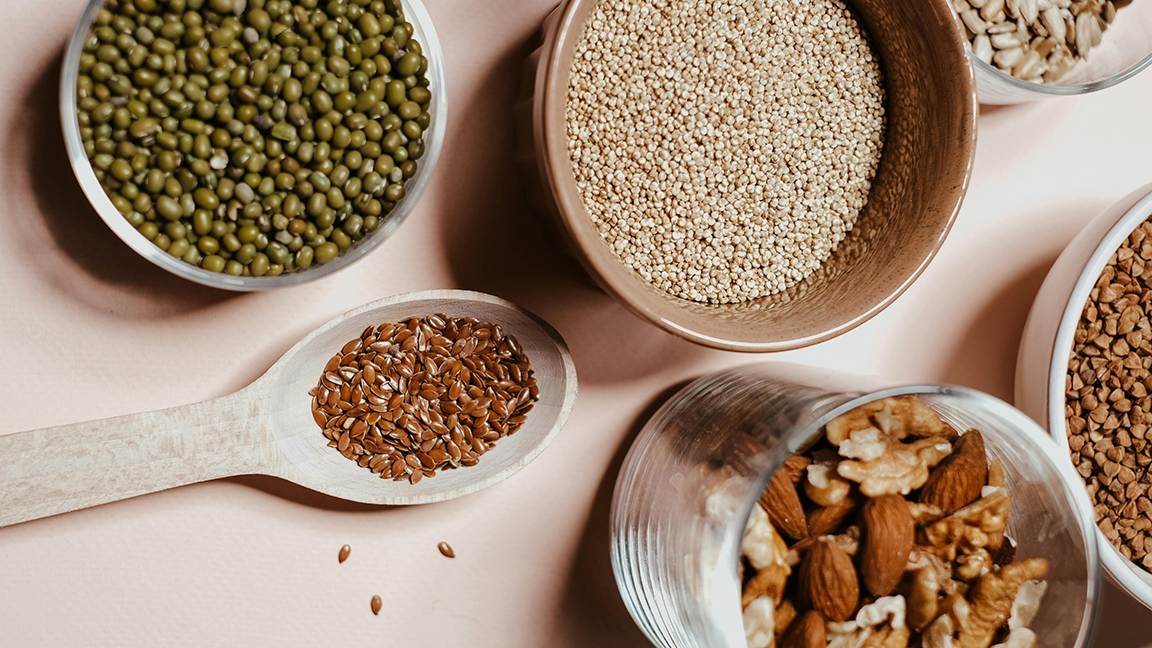
Current recommendations for healthy adults are generally about 0.8 grams of protein per kilogram of body weight per day. For many people, this amount is not difficult to achieve through a balanced diet that includes foods such as beans, lentils, whole grains, nuts, seeds, and vegetables.
In today’s culture, protein is often heavily promoted, and many people worry they are not getting enough. Yet for most individuals eating adequate calories from a varied diet, true protein deficiency is uncommon.
In contrast, consistently consuming excessive amounts of protein may carry health concerns. Some studies have linked long-term high-protein diets with stress on the kidneys, calcium imbalance, and increased risk for certain chronic diseases.
Good nutrition is not about extremes but about balance, wisdom, and caring for the bodies God has given us. A wholesome diet built around natural, minimally processed foods can provide the nutrients we need while supporting long-term health and well-being.
—Rick Mautz is the Rocky Mountain Conference Wellness Support director. Photo by Vie Studio of Pexels.