What if God is trying to speak to us?
And what if He sees practices in our lives that make it more difficult for us to recognize His voice? How would a loving God try to get through to us?
Because our focus is health, we need to recognize that lifestyle affects more than the body. It also affects the mind—and the Great Controversy is, in many ways, a battle for the mind.
God does not ordinarily speak to us through an audible voice. He communicates through Scripture, the Holy Spirit, providence, and the thoughts and convictions He brings to our minds. God can reach us under any circumstances, but fatigue, unhealthy habits, compulsive appetites, and mental cloudiness can make it more difficult for us to listen, understand, and respond.
Modern research is also helping us appreciate the close communication between the digestive system and the brain. The food we eat can influence our physical health, energy, mood, and mental functioning. What affects the body can also affect our ability to think clearly and exercise self-control.
This connection is not a new idea. Consider Daniel and his three friends.
When they arrived in Babylon, they faced pressure to adopt the practices of the king’s court. Yet Daniel “purposed in his heart” that he would not defile himself with the king’s food and wine. God honored their faithfulness, and at the end of their period of testing, they were found to possess exceptional wisdom and understanding.
Their clear thinking helped prepare them to comprehend the issues before them and stand firm amid tremendous pressure. Daniel maintained a faithful daily connection with God, and God entrusted him with wisdom, dreams, and visions that would reach far beyond his own generation.
Could Daniel’s experience contain a message for us today?
What If We Have Been Wrong About Health?
We sometimes hear the statement, “What we eat is not a salvation issue.”
I understand why we say this. We are not saved by what we eat. Salvation is the gift of God’s grace received through faith in Jesus Christ. God does not love vegetarians more than people who eat meat, and no menu can earn anyone a place in heaven. We should be especially careful not to burden young people—or anyone else—with a legalistic religion.
But if we are not careful, people may hear something else in that statement: “It doesn’t matter what I eat.”
Perhaps a better way to express the truth would be:
God will never reject us because of what we eat.
However, our lifestyle choices can influence how clearly we think,
how well we exercise self-control, and how readily we respond to Him.
Food does not save us, but neither is it spiritually meaningless. Our daily choices help shape our habits, desires, and ability to make other choices. Anything that persistently clouds the mind, weakens self-control, or strengthens unhealthy appetites can affect our relationship with God.
That is why biblical health instruction should not be presented as a method of earning salvation. It is a loving gift from the One who created us and understands our minds and bodies better than anyone else.
Instructions—or Invitations?
What if God’s instructions are blessings rather than burdens?
What if a few harsh or fanatical approaches to health have caused us to disregard wise counsel that was originally given in love?
What if, at the very time when we need clear minds the most, our culture is moving further away from the lifestyle that supports clear thinking?
And what if the enemy is pleased when health reform is portrayed as either a means of salvation or as something that does not matter at all?
Both extremes miss the heart of God.
We are preparing to face intense spiritual confusion, temptation, and pressure. God wants us to meet these challenges with minds that are awake, discerning, and receptive to His Spirit. His health principles are not arbitrary restrictions. They are part of His desire to restore us—to bring our physical, mental, relational, and spiritual lives into harmony with Him.
This is not merely about choosing one food instead of another. It is about asking:
“Lord, is there anything in my lifestyle that is making
it harder for me to hear You and respond?”
That question may involve food, but it can also involve sleep, physical activity, stress, media, addictive habits, or an overcrowded schedule. The purpose is not condemnation. It is a willing heart that says, “Lord, I want every part of my life to belong to You.”
“But it is So Hard”
Yes, change can be difficult.
Knowing what to do is not always enough. People also need encouragement, practical help, prayer, accountability, and someone willing to continue walking beside them.
That is why we now call our health ministry Wellness Support.
If God is speaking to your heart about your health and you would like help taking the next step, we are here for you. Please contact Wellness Support at (303) 282-3676 or reach out to Rick Mautz at [email protected] . Through Christian coaching, practical lifestyle instruction, prayer, and ongoing support, we want to help—not judge—you.
Perhaps God is trying to speak to us.
Let us ask Him for ears willing to hear, minds prepared to understand, and hearts ready to follow wherever He leads.
* The information provided is for general informational purposes only and is not intended as medical advice. Always seek the guidance of a qualified healthcare professional with any questions regarding your health or medical conditions. Reliance on any information provided is solely at your own risk.
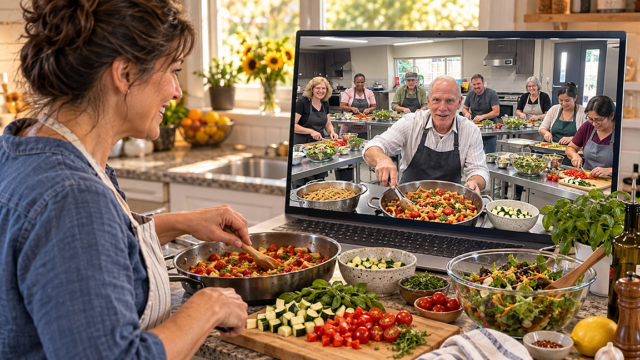
—Rick Mautz is the Rocky Mountain Conference Wellness Support director. Photo supplied.