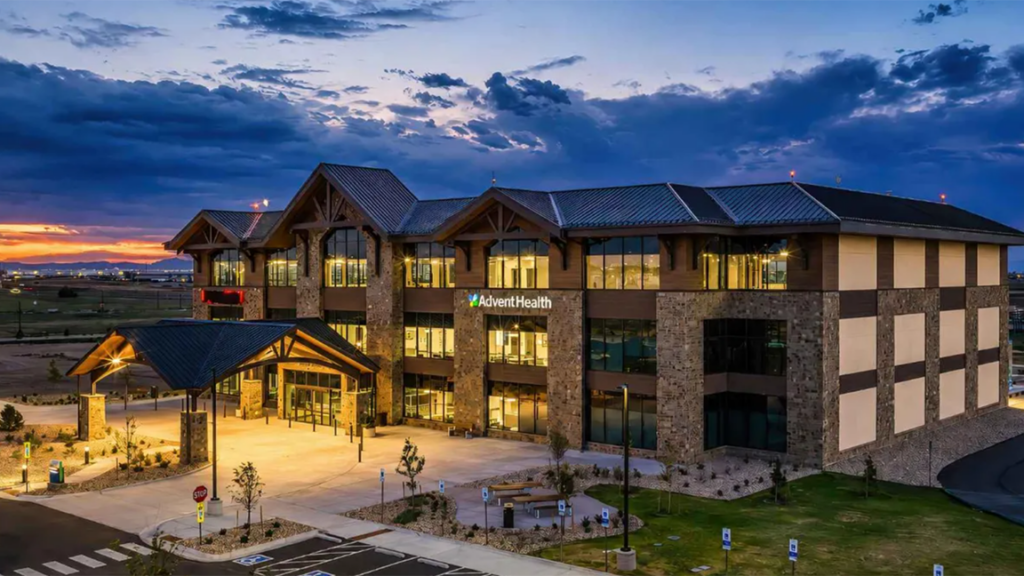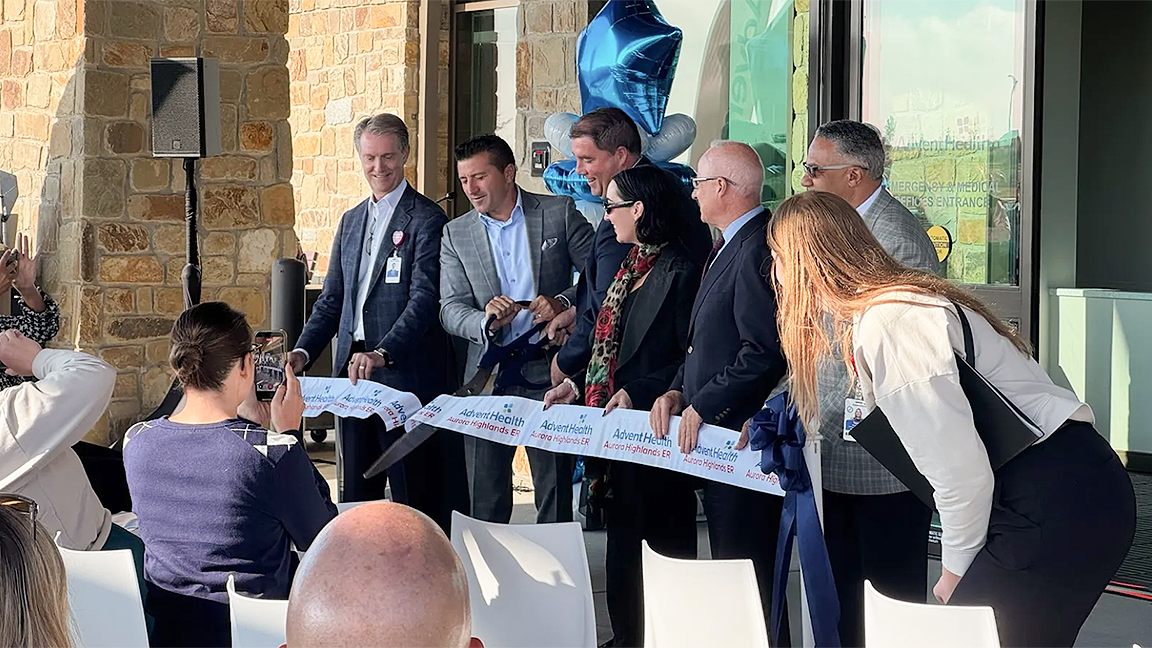
AdventHealth – Aurora, Colorado … AdventHealth celebrated the opening of its new medical campus ahead of welcoming patients September 29, bringing faith-based, whole-person care to one of the Denver metro area’s fastest-growing communities.
Located at 3405 N. Main St., AdventHealth Aurora Highlands includes a 24-hour freestanding emergency room, outpatient imaging, and clinic services.
It is the first phase of a planned medical campus designed to grow alongside the community and make more types of care easier to access in one location.
The 88,000-square-foot facility will provide:
- A freestanding emergency room with eight exam rooms, two trauma exam rooms and a helipad
- Outpatient imaging services, including CT, ultrasound, and X-ray, with plans to add MRI in the future
- Primary care, orthopedic, cardiology, and OB/GYN services
- Additional clinic space to support future growth
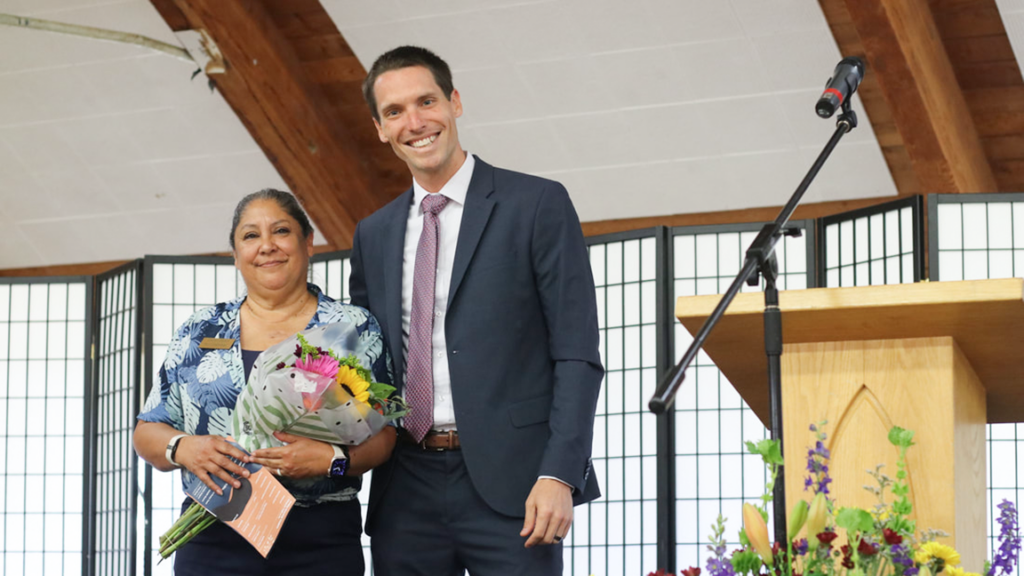
“We are incredibly excited to open the doors of AdventHealth Aurora Highlands and bring convenient, whole-person care closer to the people who call this community home,” said Erin Ward, chief operating officer of AdventHealth Parker and AdventHealth Aurora Highlands ER. “This new facility represents an important investment in the future of Aurora Highlands and the surrounding communities, and we are grateful to the many partners who helped make this vision a reality.”
The facility is also designed with sustainability in mind. AdventHealth Aurora Highlands is equipped with 96 geothermal wells, each extending approximately 500 feet underground.
Together, the wells provide up to 240 tons of heating and cooling capacity, helping reduce energy use and carbon emissions.
The new campus is part of AdventHealth’s long-term commitment to growing access to care as The Aurora Highlands expands.
Future campus development plans will include a 50- to 75-bed hospital with an anticipated Level III trauma center designation.
“The grand opening of AdventHealth’s new facility marks an exciting milestone for The Aurora Highlands and the Aurora community,” said Carla Ferreira, CEO of The Aurora Highlands. “We are proud to welcome AdventHealth’s physicians, caregivers and staff to The Aurora Highlands and look forward to the positive impact this facility will have on the people who live and work here.”
AdventHealth also recognizes the construction partners who helped bring the campus to life, including HKS, architect of record; SmithGroup, construction administration architect; Mortenson, general contractor; Encore Electric, electrical contractor; Murphy Mechanical, mechanical contractor; Kimley-Horn, civil engineer; WSP, MEP engineer; and ADAMS, owner’s representative and program manager.*
* The construction partners listed are not affiliated with the Seventh-day Adventist Church nor the Rocky Mountain Conference of Seventh-day Adventists
—AdventHealth News. Republished with permission from the AdventHealth News & Stories website, September 21, 2026, article. Photos supplied.