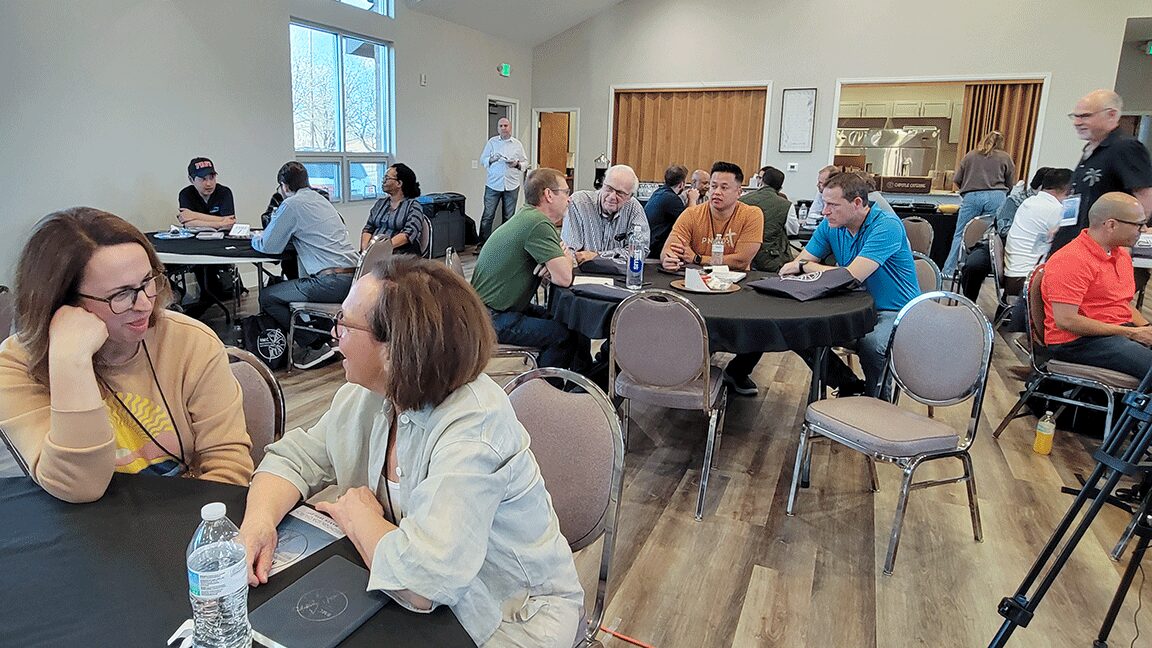
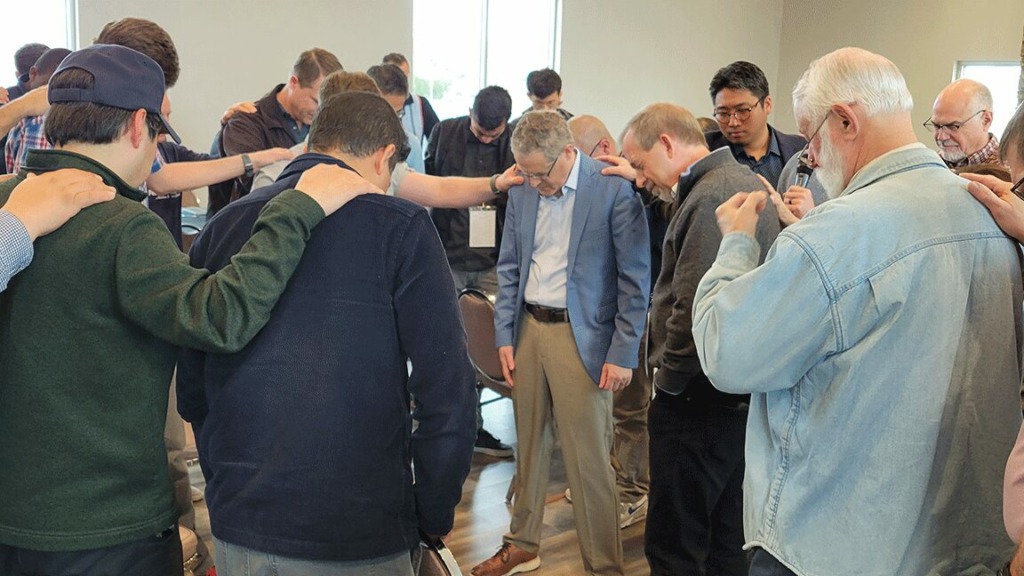
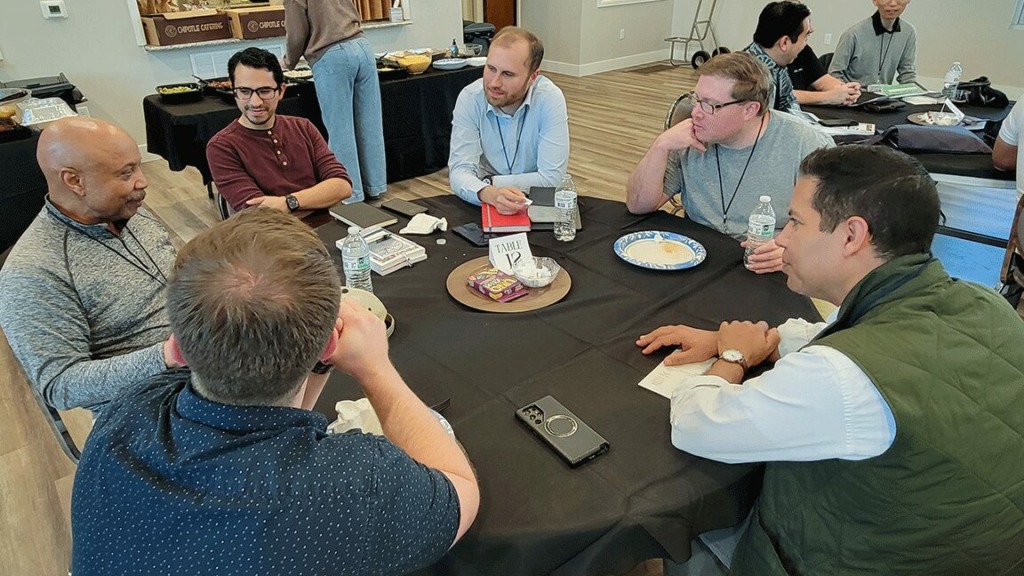
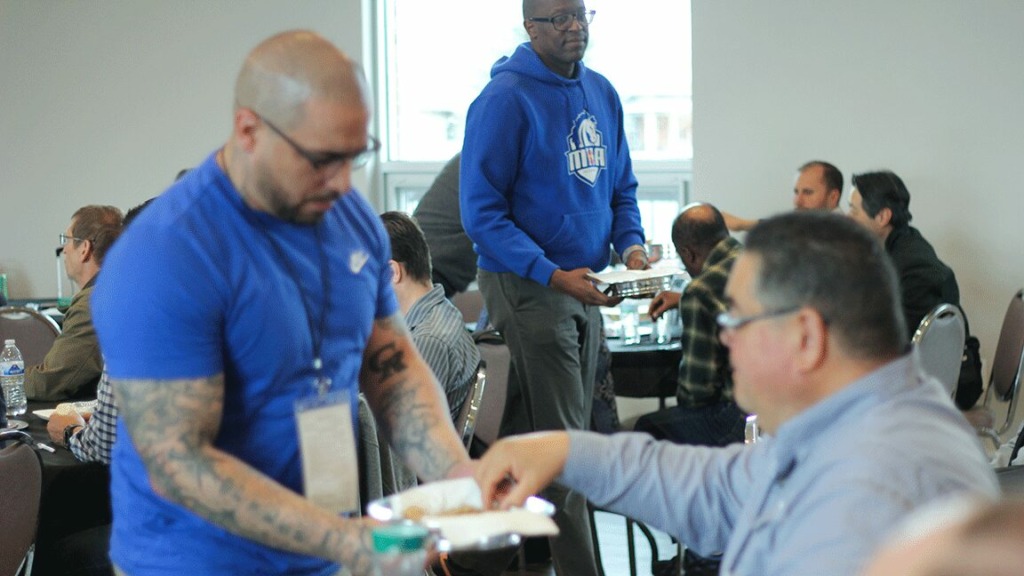
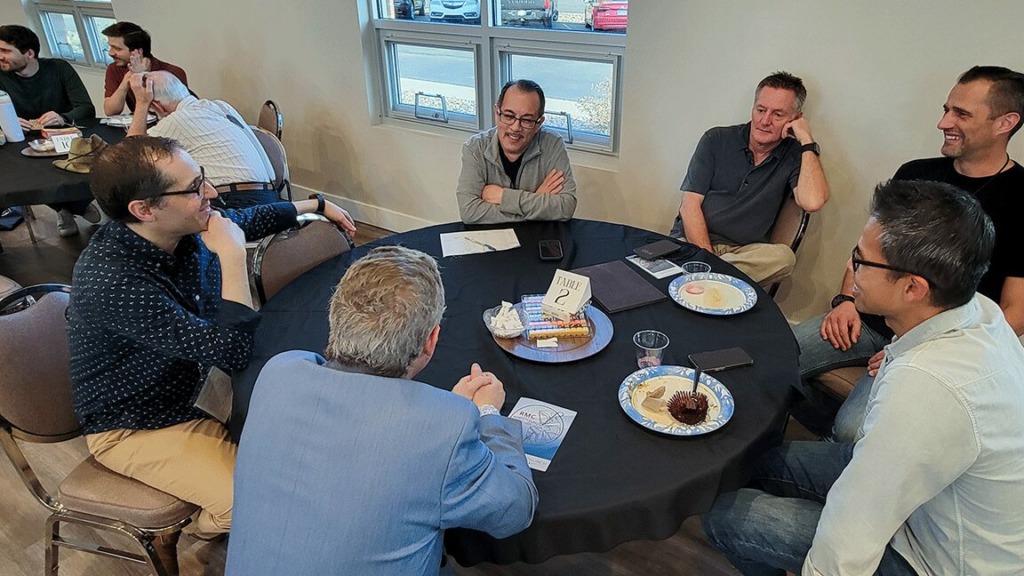
RMCNews – Brighton, Colorado … Over 40 pastors from across the Rocky Mountain Conference (RMC) converged at the Brighton Seventh-day Adventist Church in Brighton, Colorado, for the annual RMC Ministerial Meetings, March 29-31. The importance of prayer, collaboration, and culture were some of the common themes that were threaded throughout the program.
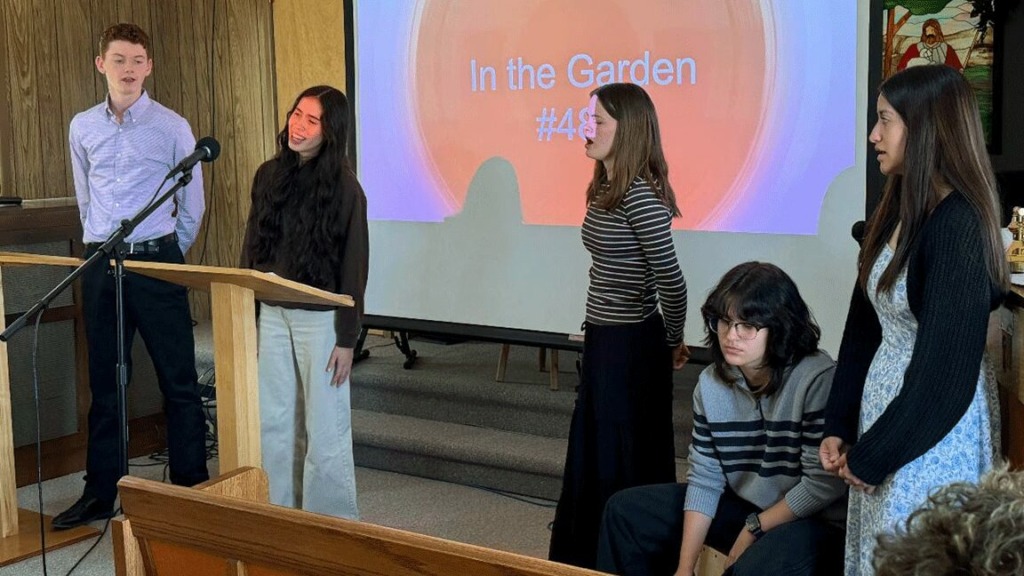
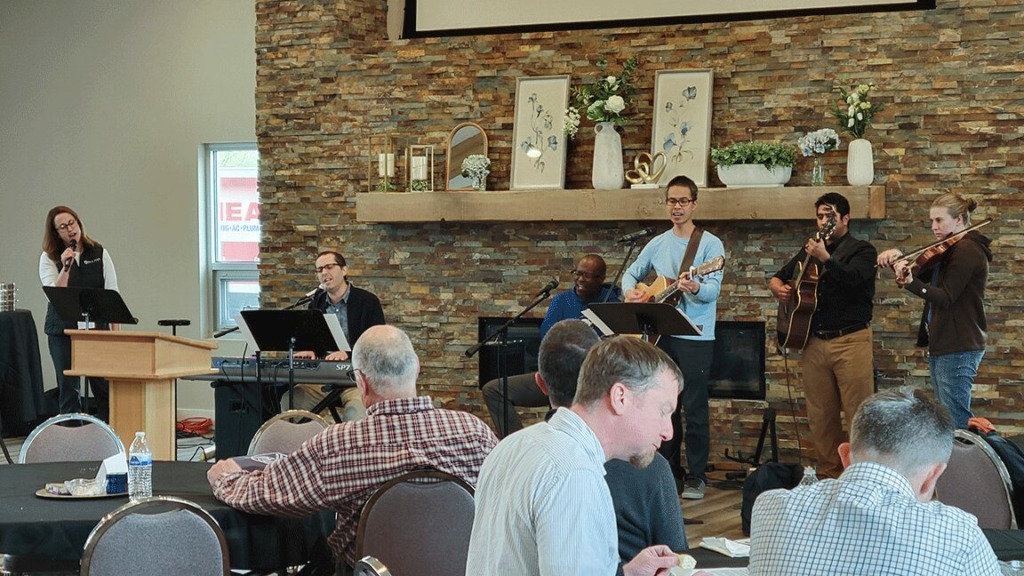
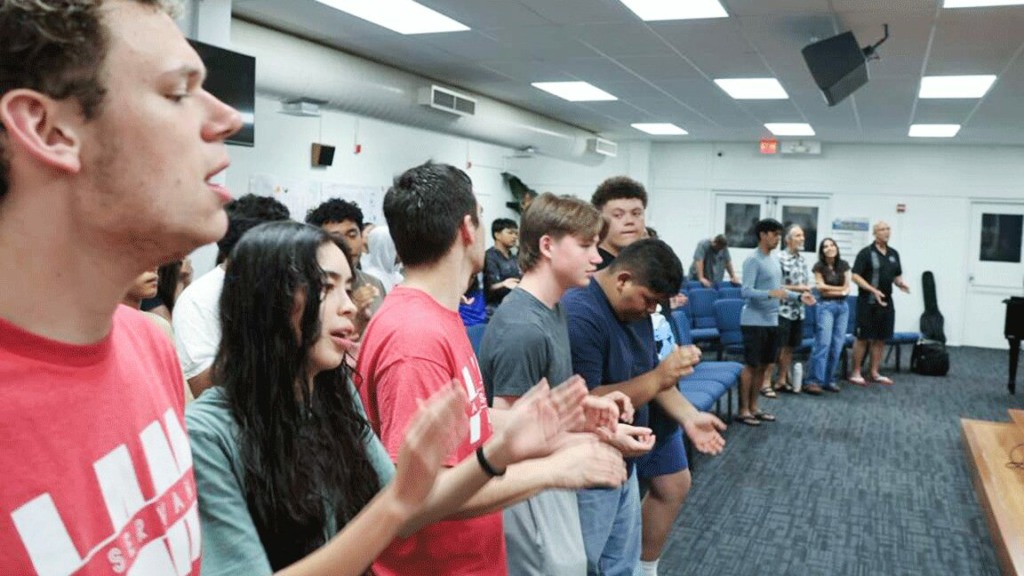
Each day of the three-day event opened with a praise worship service, opening prayer, and devotional provided by RMC pastors including Leandro Bizama, Eliezer Roque-Cisneros, Heidi Carpenter, Daniel Birai, Godfrey Miranda, Kenneth Martinez, and Jade Teal.
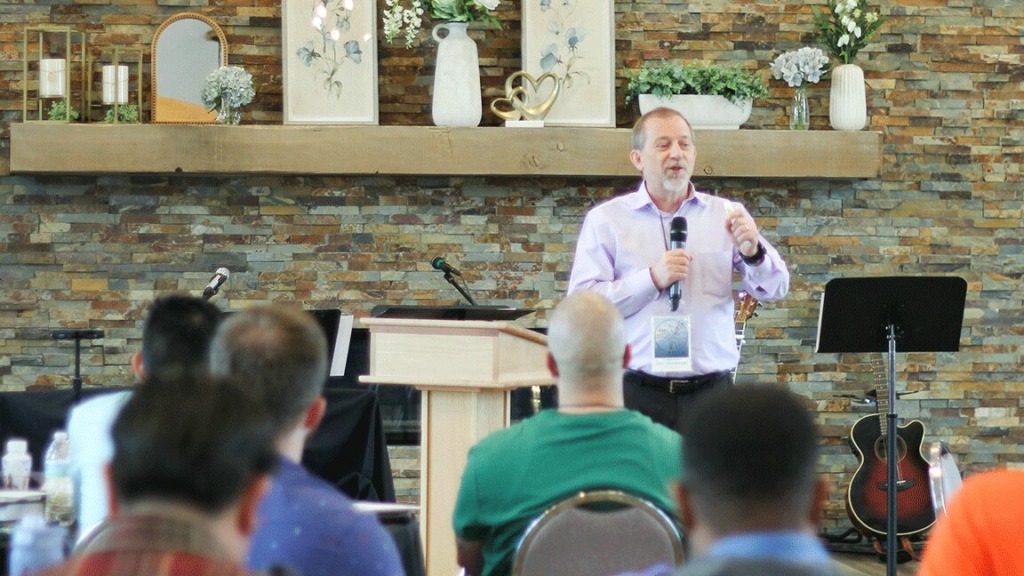
Dave VandeVere, RMC president, was first to present to the pastors. He shared insights from past professional experiences, employed both in and out of the Seventh-day Adventist Church, and connected with the pastors through forward-looking discussion centered on the conference’s vision and mission.
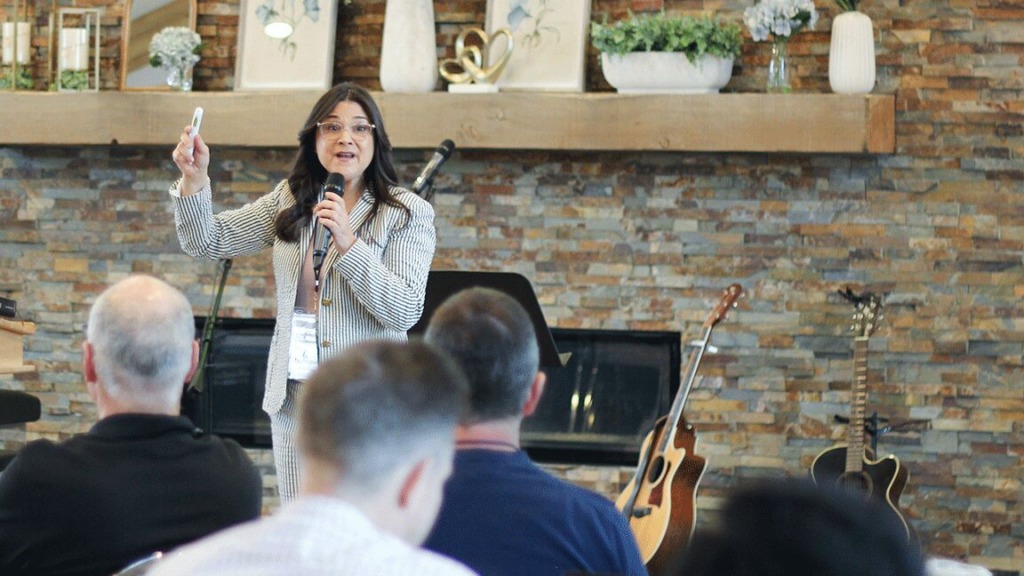
Yami Bazan, president of Union Adventist University (UAU) in Lincoln, Nebraska, was the first of the featured speakers starting with a review of the blessings Union has received over the past year through several struggles. Bazan continued her next three presentations exploring the leadership principles found in Nehemiah 1:1-4. She highlighted that influence from effective leaders is through genuine care, presence, and lived examples rather than information and instruction.
Bazan also explored the spiritual side of leadership, remarking that spiritual transformation, or personal encounters with God that transform the heart, are more crucial than programs and systems. “Until we change our hearts,” she stated, “His work will be limited by our minds.”
Pierre Steenberg, UAU associate pastor and featured speaker, also presented three sessions looking at the health of the church. Steenberg explored why people have left the church and what churches have done to revitalize their culture and thrive. “The vast majority of people that leave, leave because they can’t find meaningful relationships,” he remarked. “Church is not about programs … [people] are the church.”
As part of church health, Steenberg also championed that church health starts with personal health, especially in its leaders: “If you want a healthy church, the pastors need to be healthy.” He also urged churches to “stop seeking silver bullets … go back to basics and do them well,” stating the solution to revitalize a church isn’t “flashy,” it is relational and intentional over time.
Four RMC pastors also presented during the meetings. Phillip Mills, lead pastor for Franktown Seventh-day Adventist Church, spoke on church growth centered on spiritual revival through prayer, equipping members to serve, and building structure and programs that meet the real needs of the community. He emphasized that when members are engaged in prayer and service, the church experiences transformation, community impact, and increased discipling, stating, “God loves His church … to be a healing center for the needs of the community … that covers all of the dimensions … physical, mental, and spiritual.”
Herbert Hernandez, lead pastor of the Chapel Haven and Northglenn Hispanic Seventh-say Adventist Churches, discussed how his church transitioned into a multi-congregational model by prioritizing prayer, patience, and communication, allowing the different cultural groups to coexist in unity. He emphasized that long-term success wasn’t from structure alone, but building relationships and shared vision across congregations: “Relationships go beyond language barriers.”
Highlighting that effective ministry is rooted in authenticity, Dave Ketelsen, lead pastor at Colorado Springs Central Seventh-day Adventist Church, reflected on how intentional prayer, relational outreach, and thoughtful systems for welcoming and caring for people can transform a church’s impact through genuine connection beyond programs and numbers. “It’s not about the numbers,” he commented, “It’s about souls—that lives are changed.”
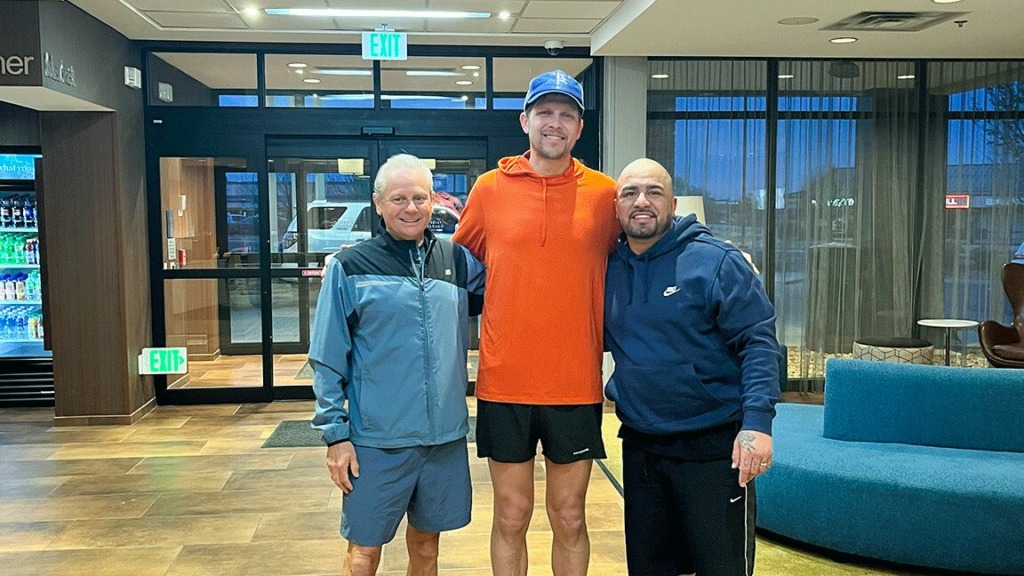
Ketelsen also started his own outreach at the meetings, expanding beyond mind and soul to the body. An avid runner, he was able to rally a few fellow pastors for a pre-meeting morning jog to arrive focused and energized for the day’s content.
The final pastor presentation was provided by Lisa Cardinal, lead pastor at Newday Adventist Church, where she gave the story of the church’s journey from a small church plant in 2007 to a thriving multigenerational, community-focused congregation, even through a time of crisis and rebuilding. “We wanted to meet real needs and make a difference in our community … and do things that would be tied to a good God and make people curios about Him,” she reflected.
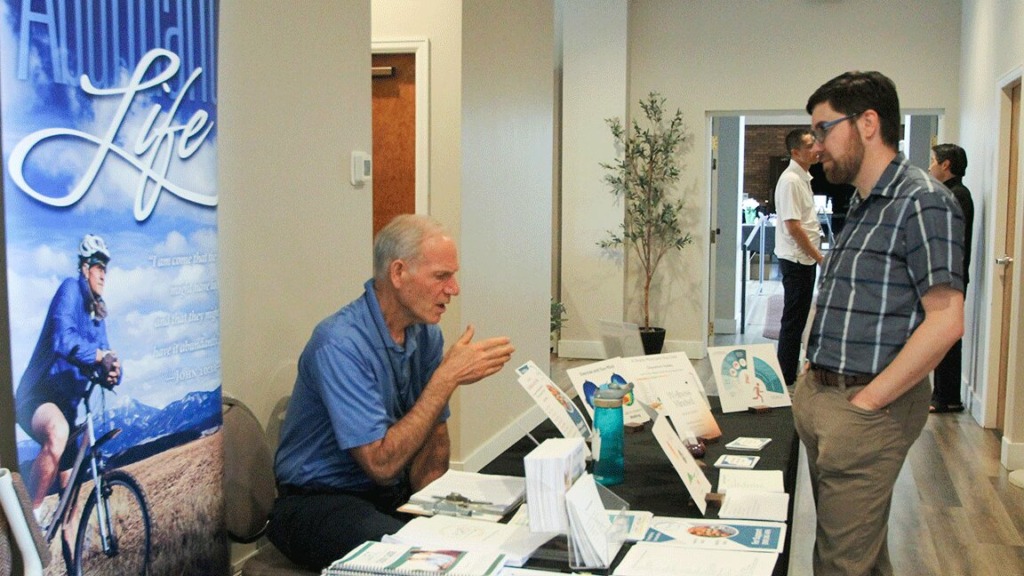
A host of staff from the RMC Denver Office joined the meetings to connect with pastors to better partner in joint missions and ministries, and Sean Lee, the new RMC Ministerial director, attended as his first official duties in the conference.
RMC leadership would also like to acknowledge the efforts in organizing and facilitating the meetings from Hugo Guillen, RMC Ministerial associate director and lead for Multicultural Ministries, and Bonnie Camarillo, Ministerial administrative assistant.
—RMCNews. Photos by Liz Kirkland.