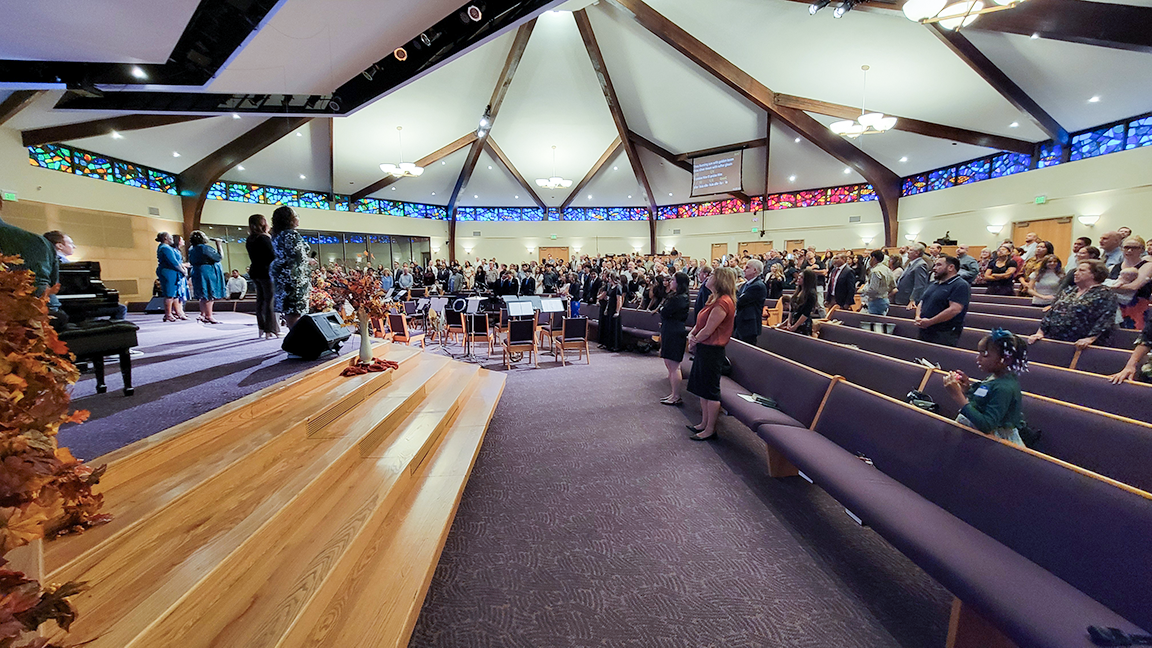
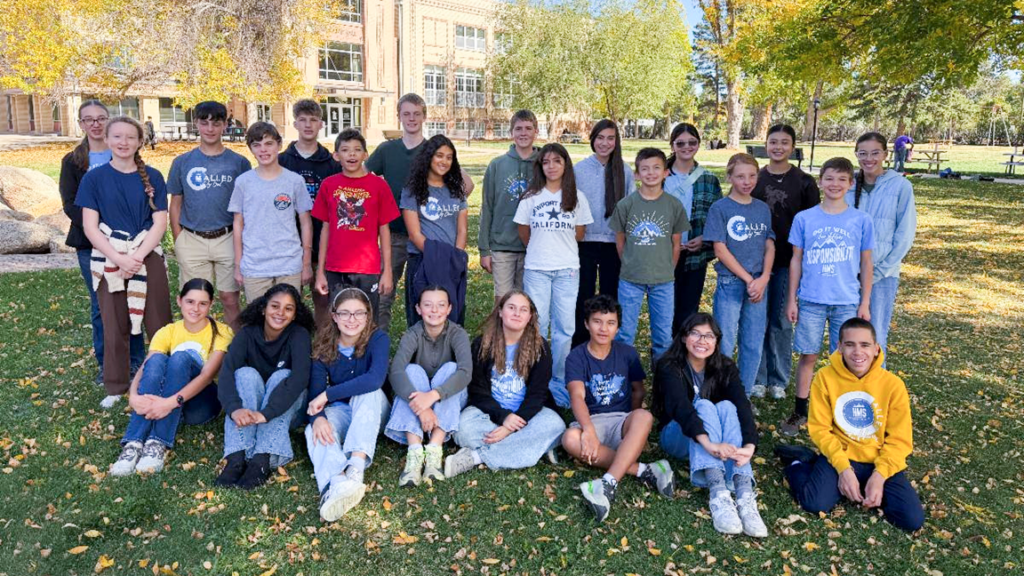
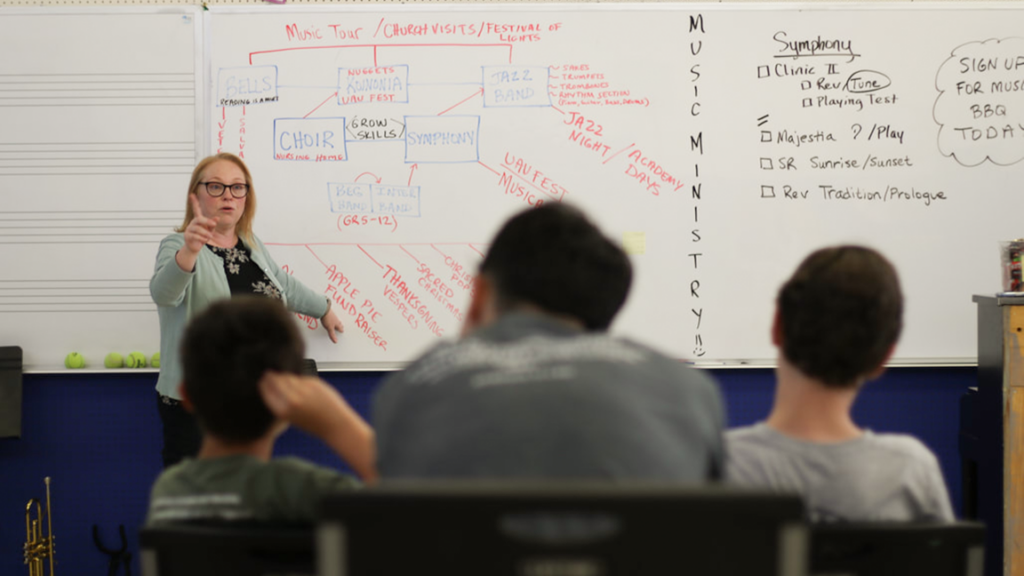
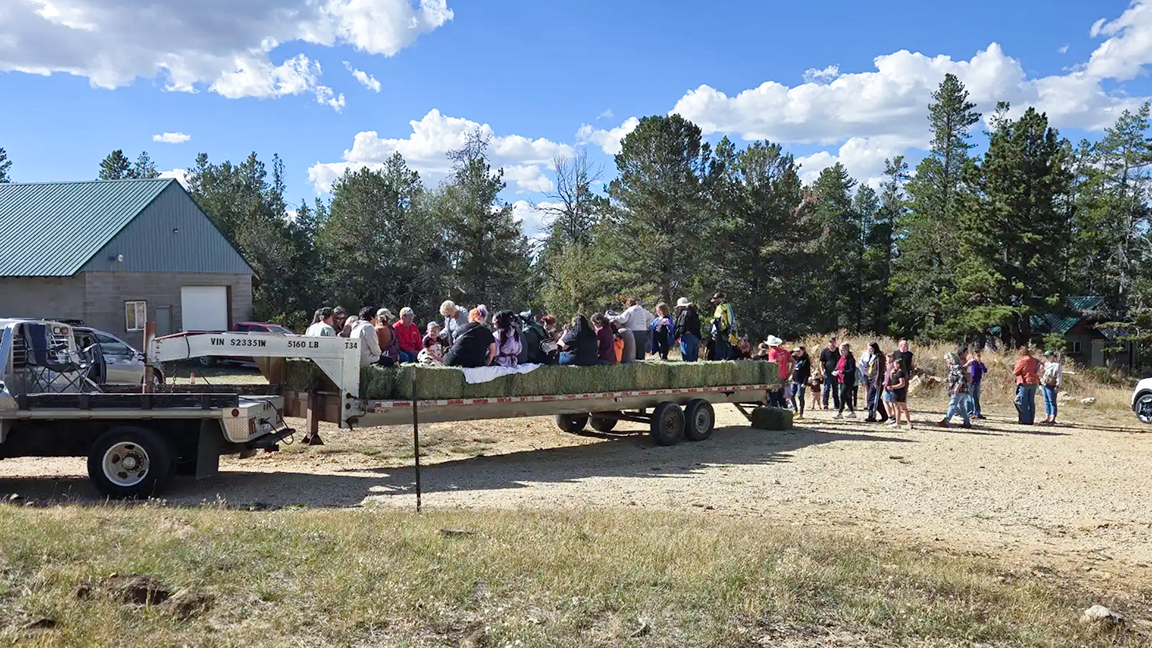
RMCNews – Denver, Colorado … What does it look like when an entire conference pauses to remember why it exists? For two days, October 2–3, reaching up to 480 members from across the Rocky Mountain Conference (RMC) gathered at LifeSource Adventist Fellowship (LAF) in Denver, Colorado, for the 2026 Mission Summit—a weekend designed to inspire, equip, and send people back into their communities with a renewed sense of mission.
Centered on the theme “Our Calling to Serve and Share,” the summit brought together worship, mission stories, practical training, fellowship, and hands-on outreach. More than simply another conference event, Mission Summit was intended to help participants see how individual acts of service and witness connect to the larger mission of the Church and spiritual calling.
“My hope for Mission Summit was to stimulate thought and action,” reflected Heidi Carpenter, LAF pastor. “I was praying we would individually come face to face with the mission God has for us and wrestle with our own calling to serve and share.”
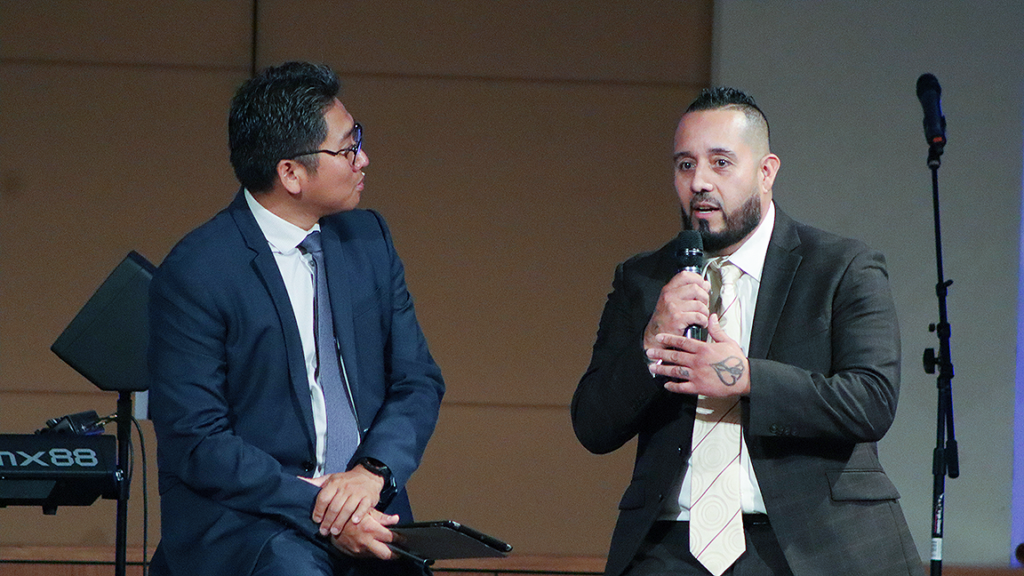
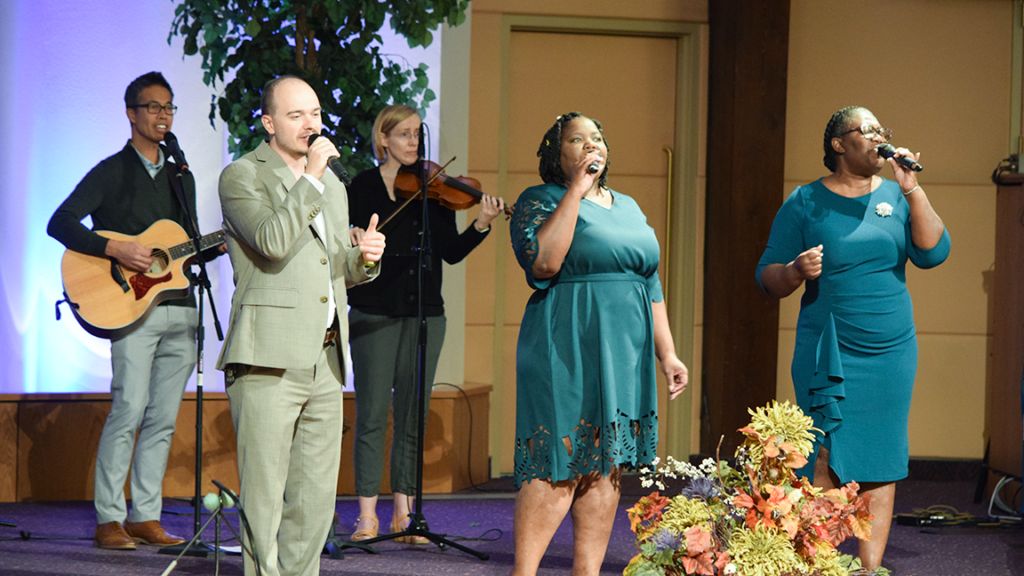
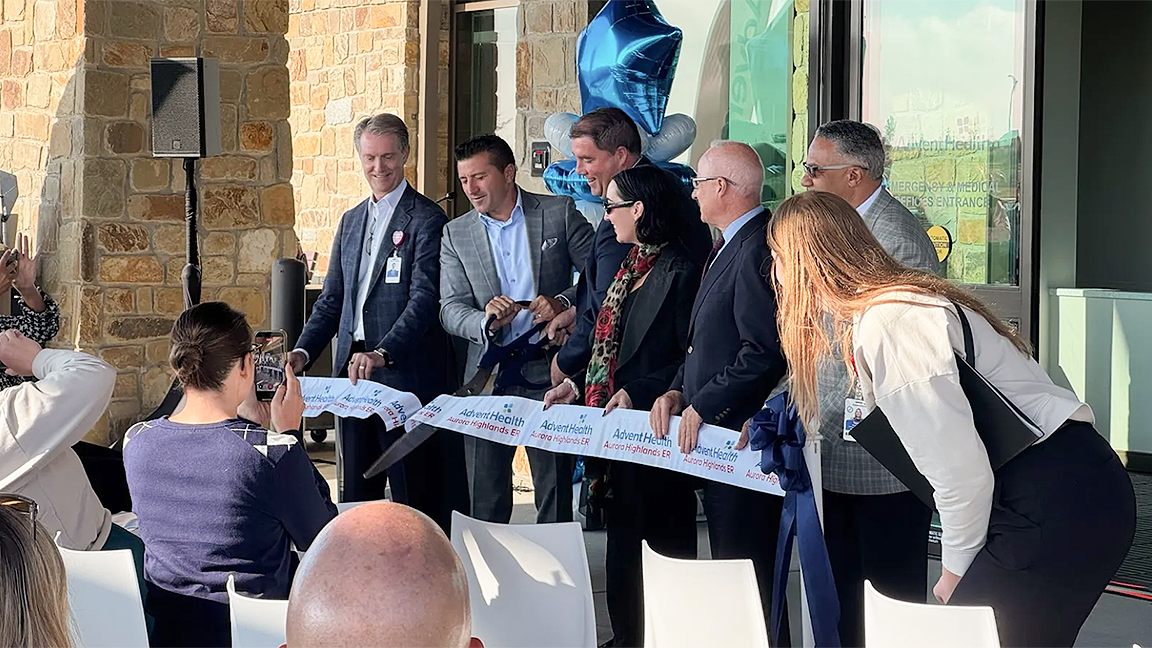
Friday evening opened with mission spotlights from RMC churches and the AdventHealth healthcare system. Through guided interviews by Sean Lee, RMC Ministerial director, and music from a praise team led by Godfrey Miranda, lead pastor at Littleton Seventh-day Adventist Church, consisting of members from several local churches, participants were reminded that God is already working in communities across the Rocky Mountain territory.
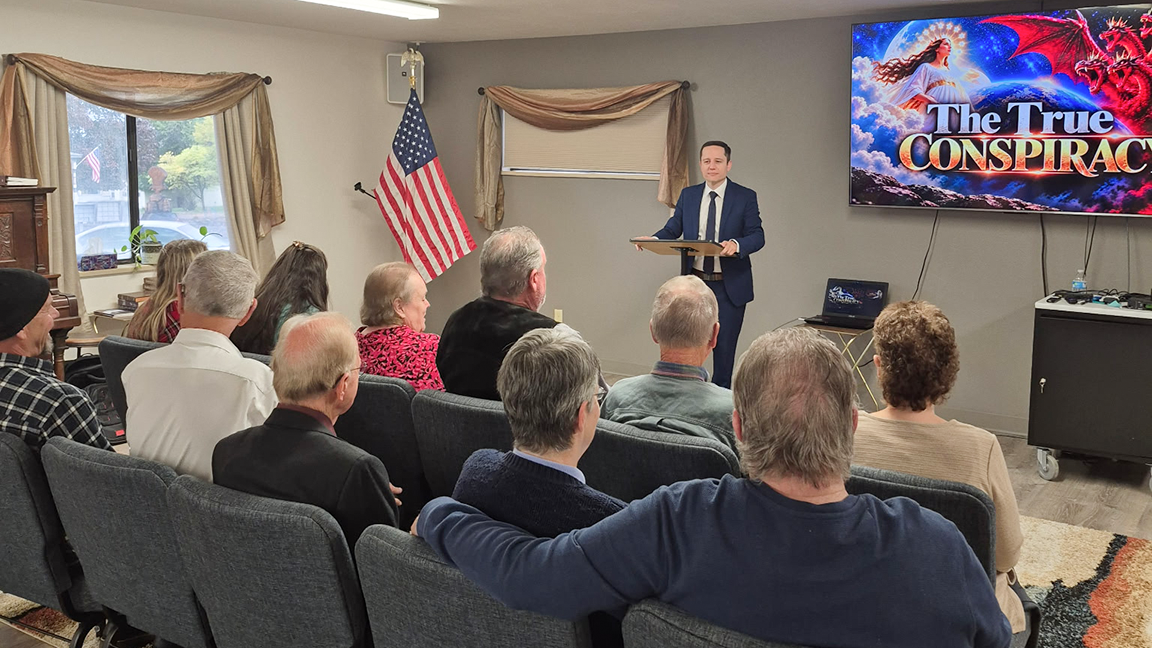
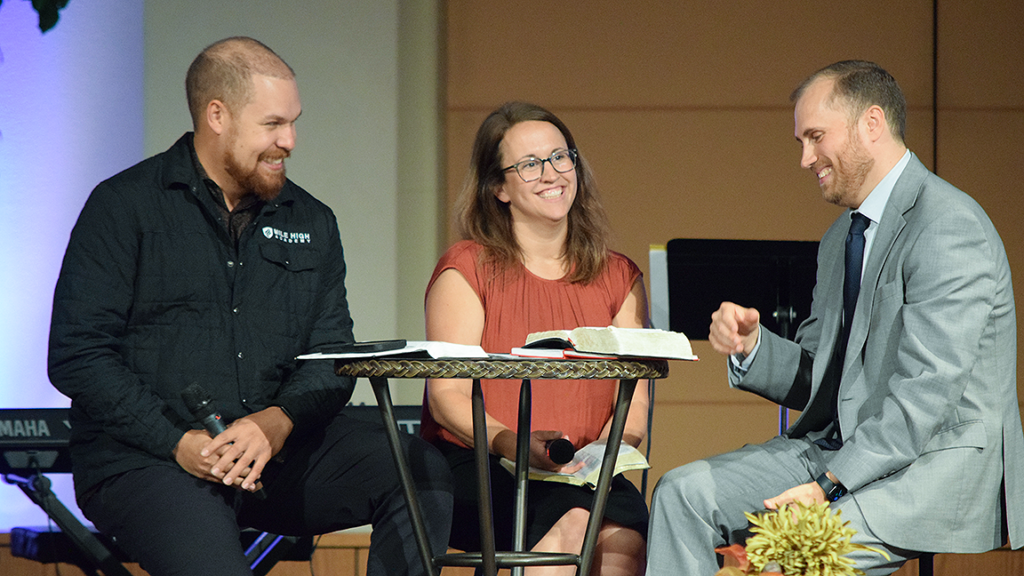
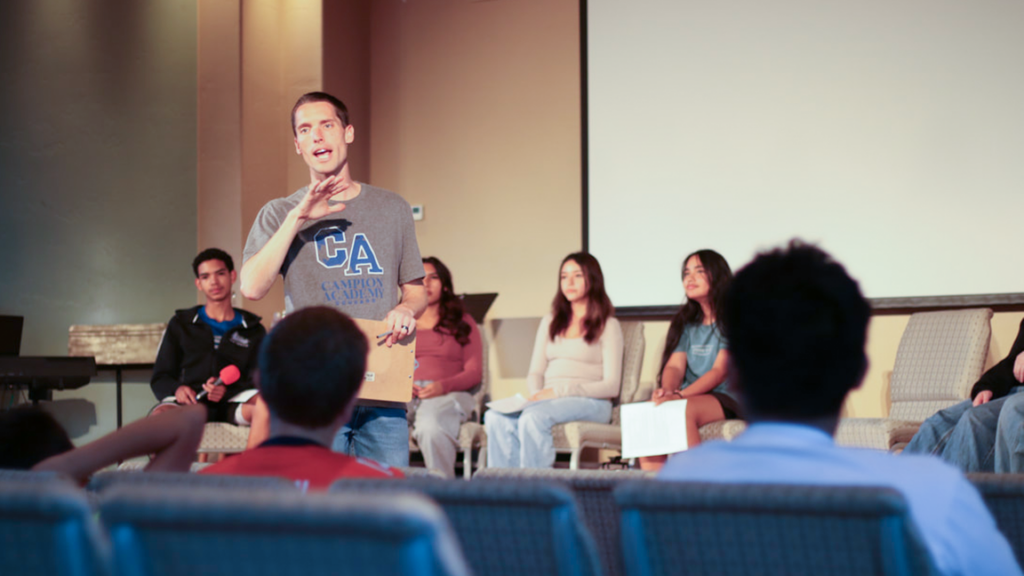
Saturday morning Sabbath worship started with an interactive Sabbath School panel lead by Carpenter, Phil Mills, lead pastor Franktown Seventh-day Adventist Church, and RD Gallant, Mile High Academy (MHA) principal, featuring thoughtful dialogs breaking out into small group discussions amongst the participants.
“I love how the Book of Acts ends on a cliffhanger. The story of God working through His people isn’t over; we’re called to help write the next chapter,” remarked Mills. “That was my hope for the panel: to help people see their place in that story and equip them to share Christ with those around them. Imagine every member becoming a missionary, carrying forward work those first believers began. Let’s finish it!”
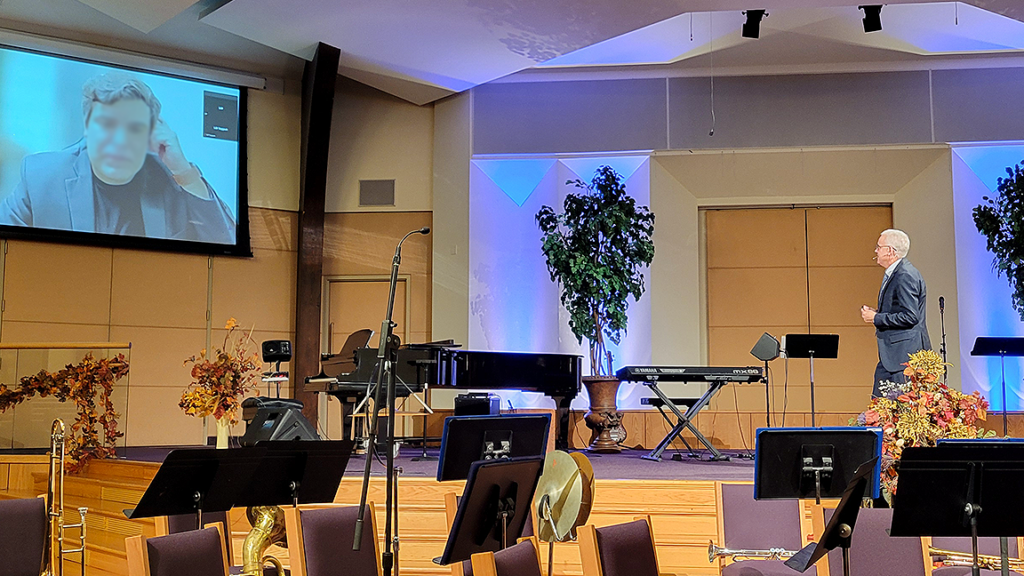
Gary Krause, associate secretary of the General Conference and director of Adventist Mission, served as the featured mission speaker during the Sabbath School session. His ministry experience, which includes oversight of Global Mission Centers, church planting, and mission promotion, brought a global perspective to the weekend while challenging participants to consider what mission looks like in their own communities. His session even included a Zoom interview from the mission field in the Middle East.
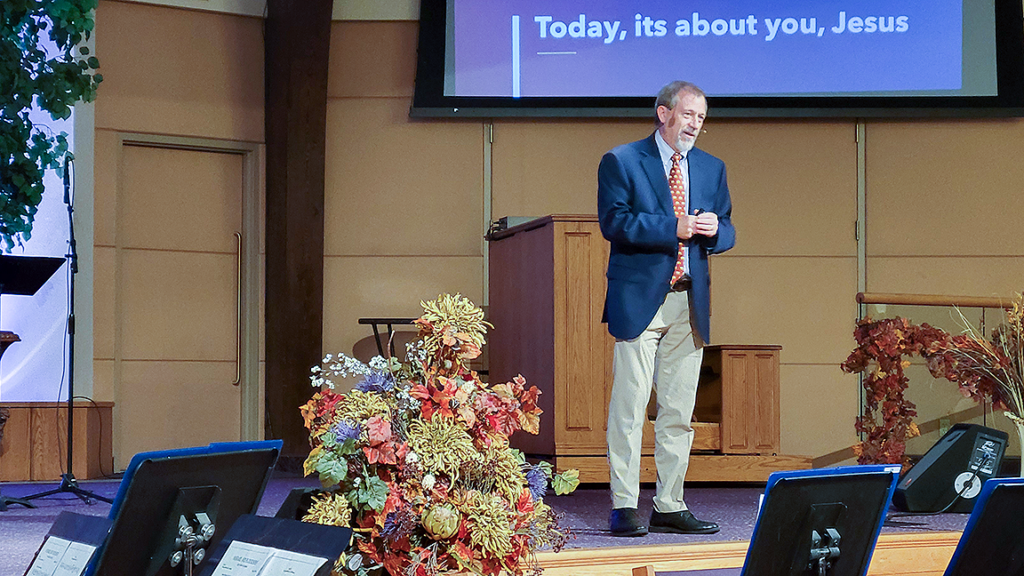
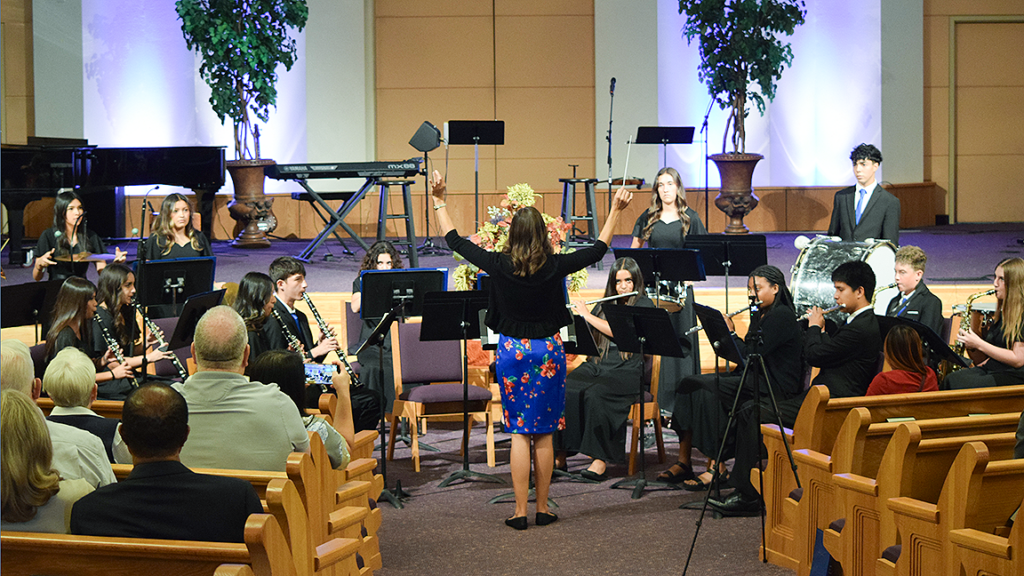
Sabbath worship services continued with additional mission spotlights from RMC’s young adult ministry Vine + Branches, MHA, and AdventHealth. Dave VandeVere, RMC president, provided the Sabbath Service message. The quartet “4ever His” from the Rocky Mountain Indonesian-American Seventh-Day Adventist Church and the MHA Upper School Strings music ensemble provided special music offerings for the Sabbath service.
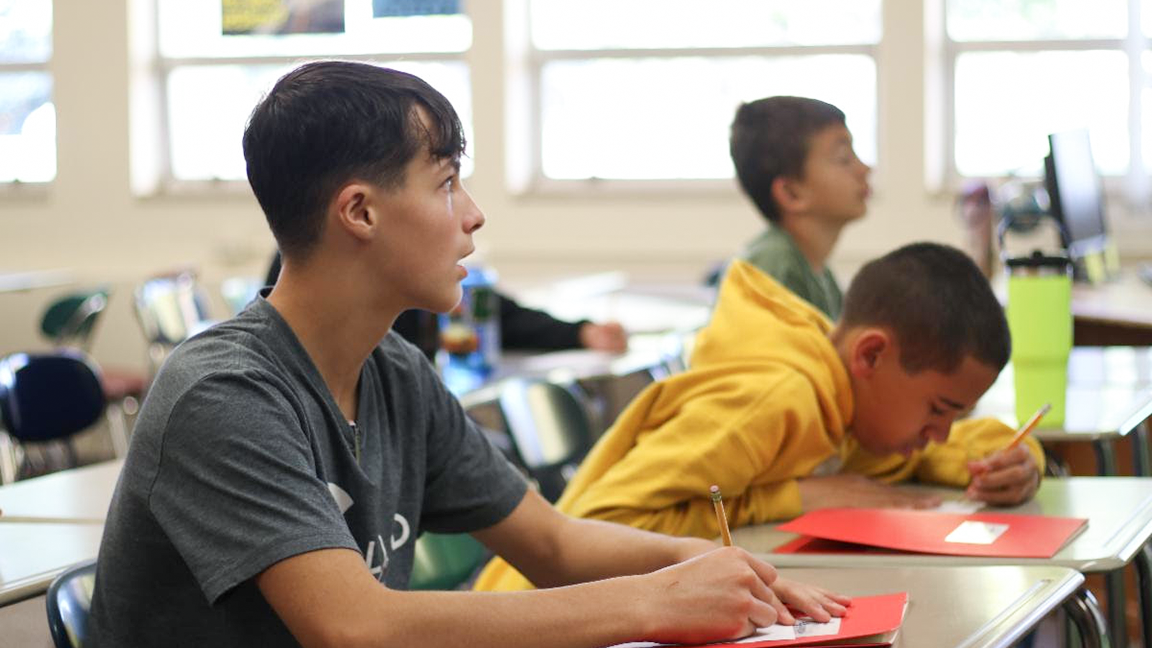
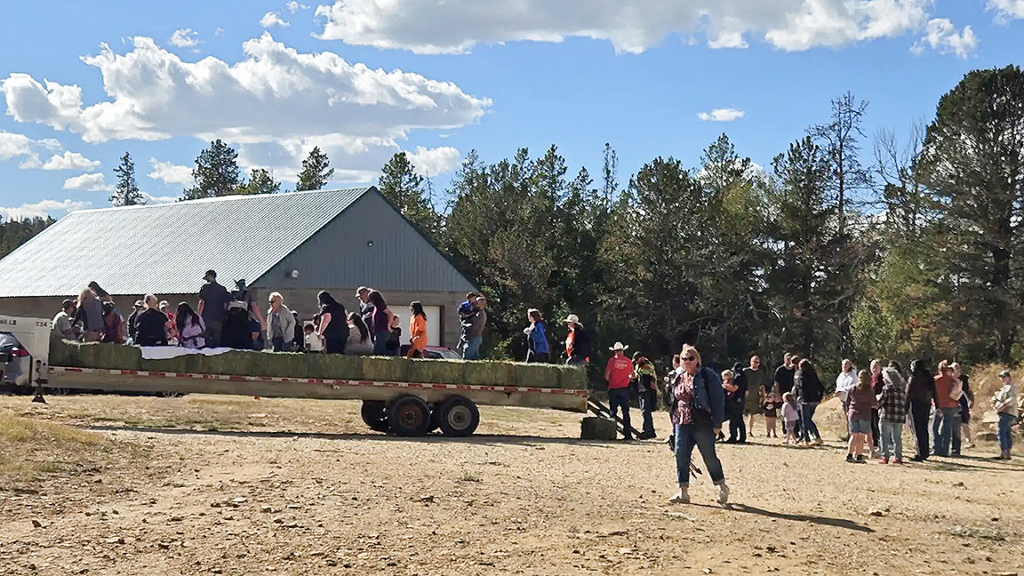
Following an international potluck, participants could choose from workshops focused on Bible truth witnessing, fundamentals of discipleship, service teams, World Mission in the local church, and growing in Christ in the Spanish language.
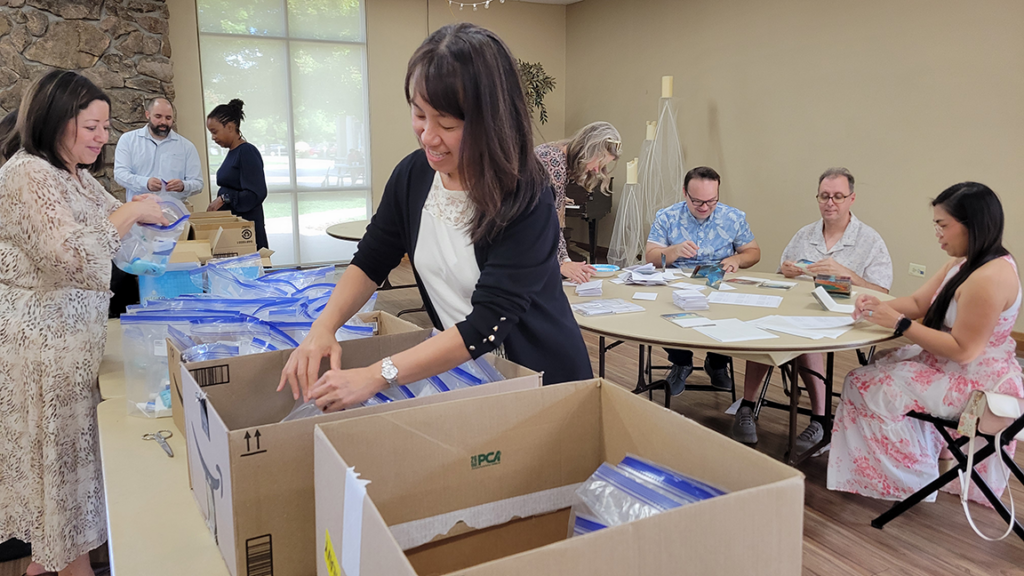
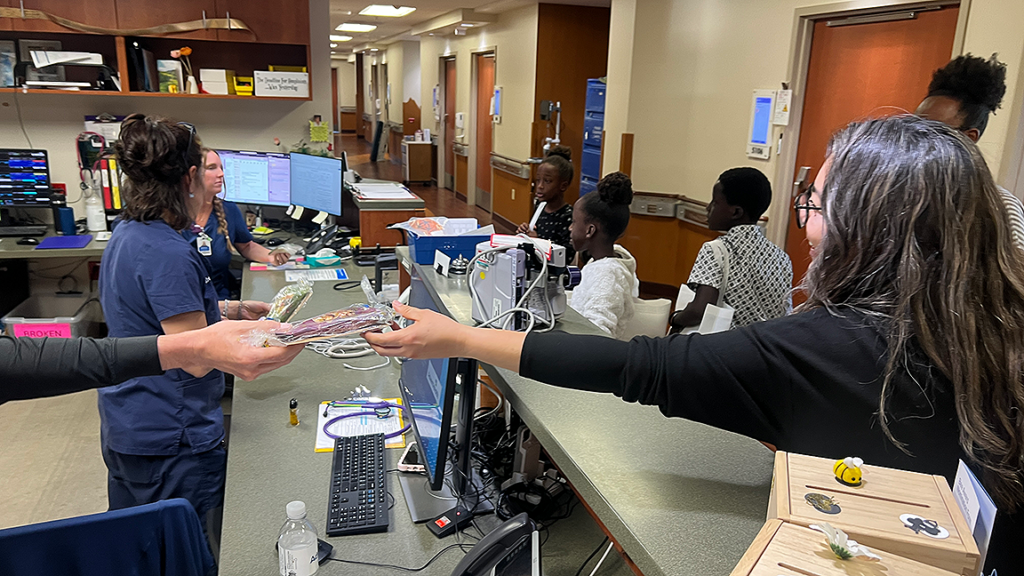
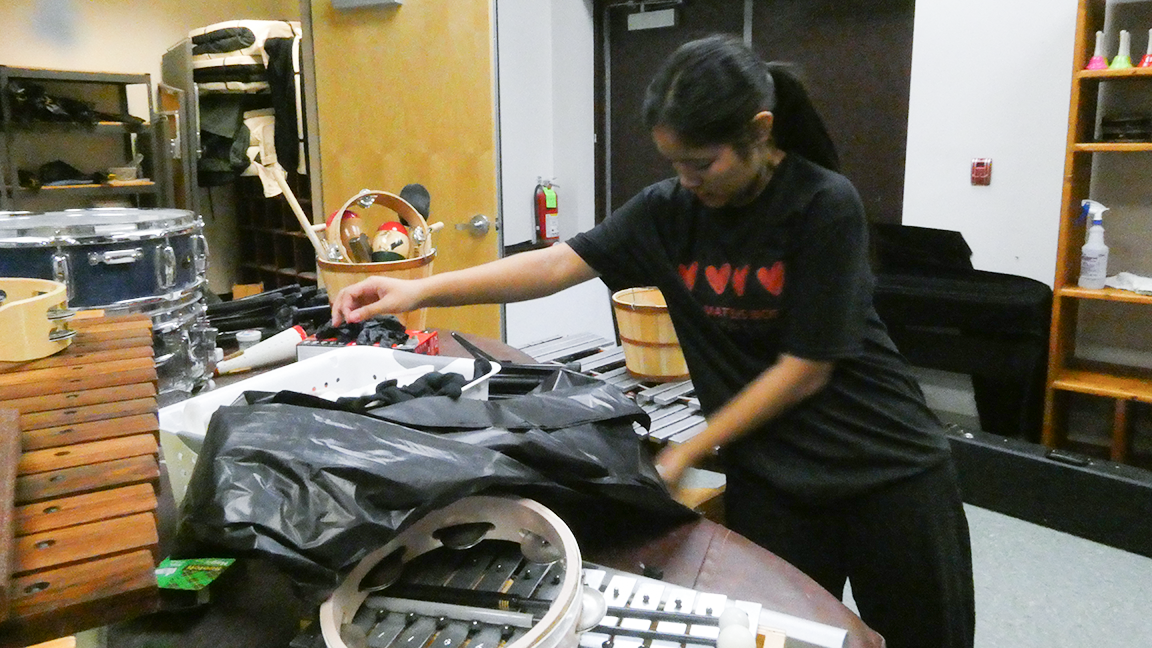
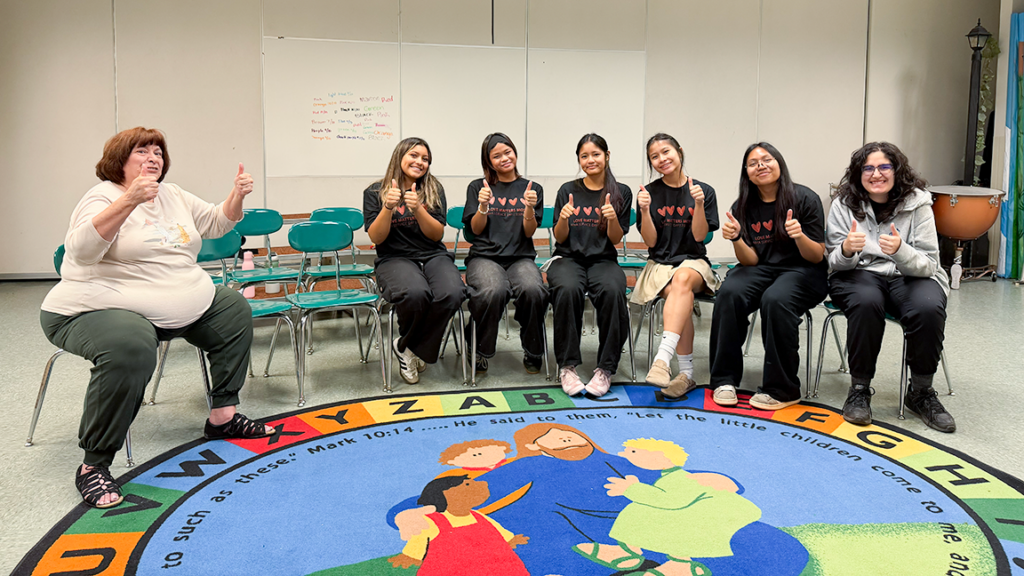
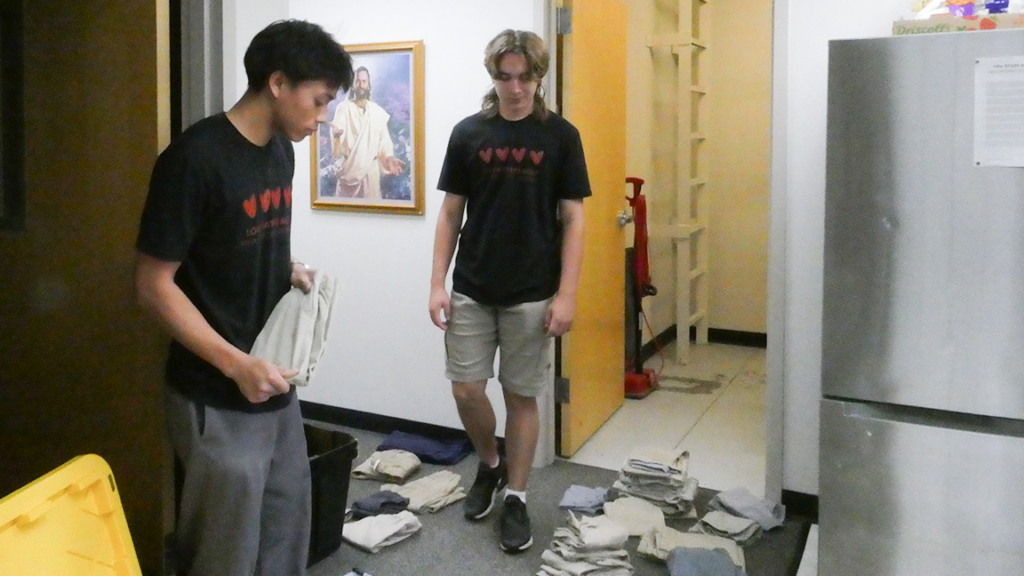
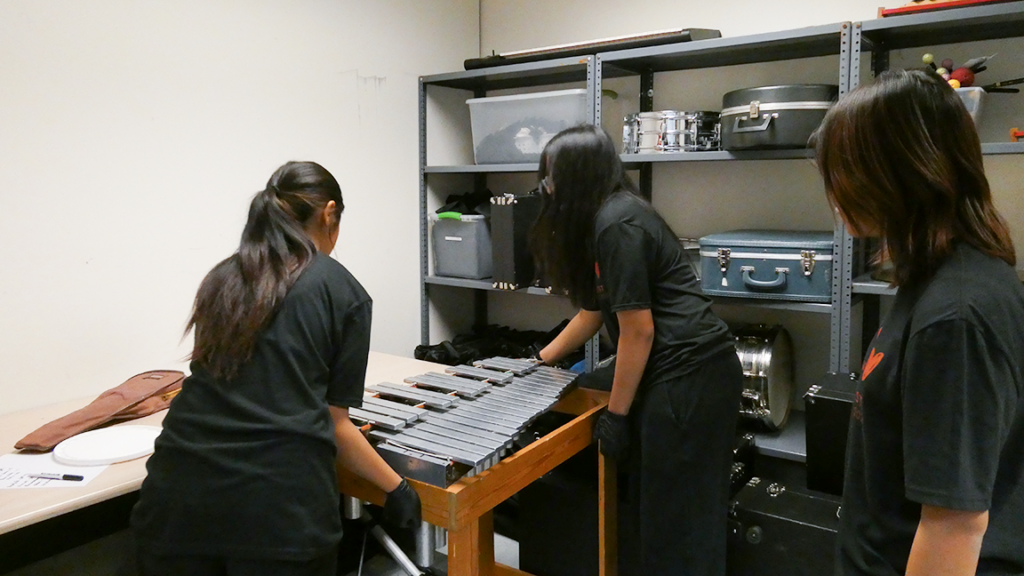
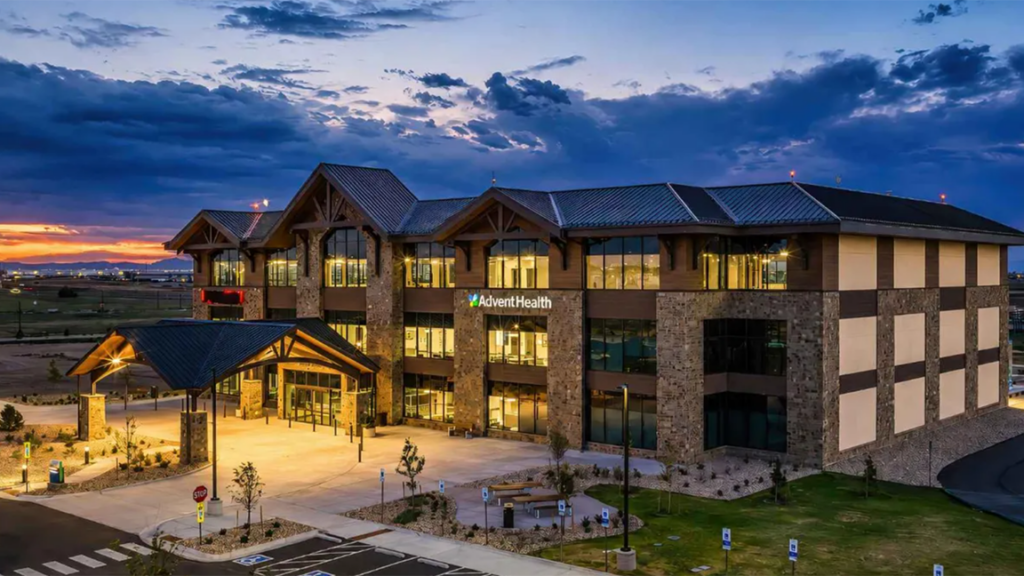
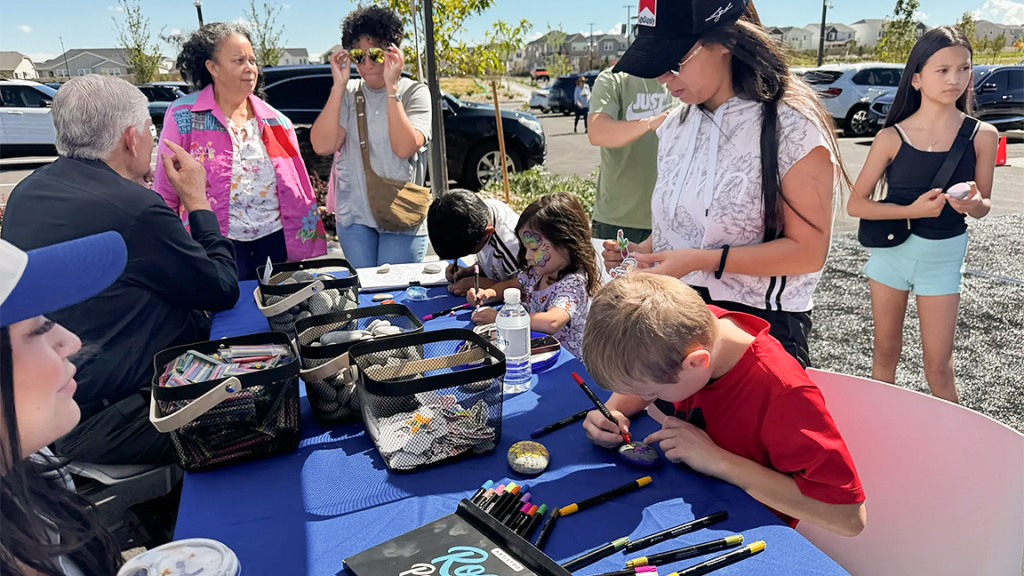
The afternoon moved from learning to doing as participants joined outreach projects, including assembling hygiene kits, preparing appreciation gifts that were delivered to healthcare workers at AdventHealth Porter, and participating in a door-to-door kindness project giving free batteries for smoke detectors to local residents.
“I was blessed by the stories we heard of God’s grace being shared and the lives impacted here in RMC and around the world,” reflected VandeVere. “Then, to worship God in his awesome ‘Sabbath-presence’ with individuals from various churches was a real privilege. And how could we have been more blessed than to connect with our neighbors during the afternoon?”
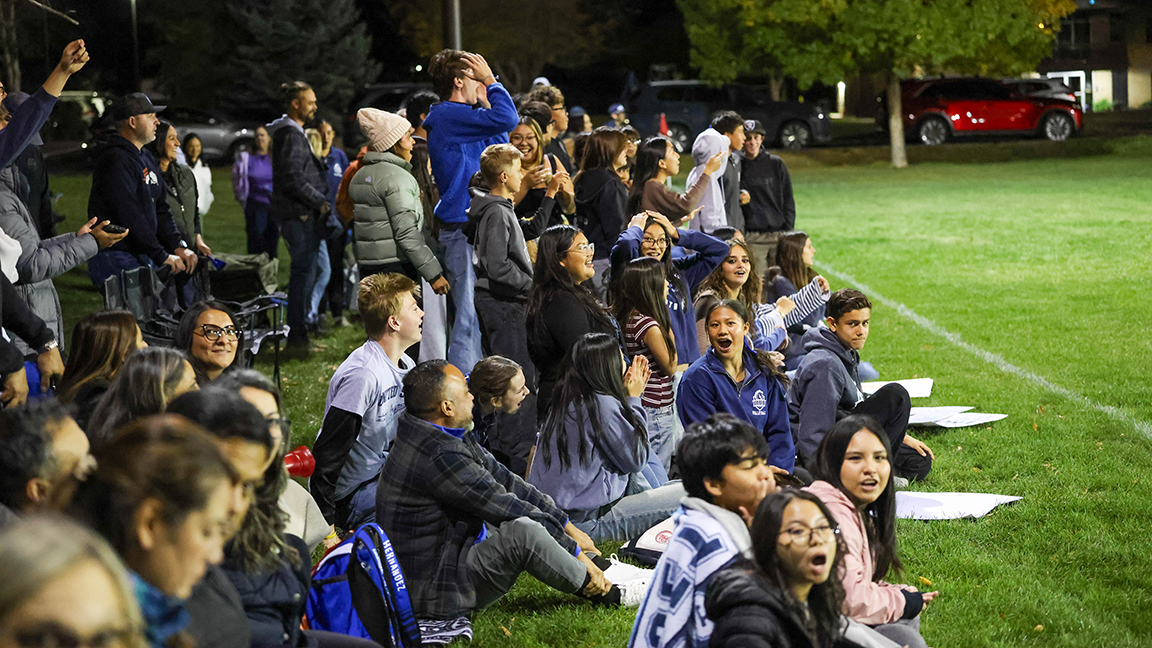
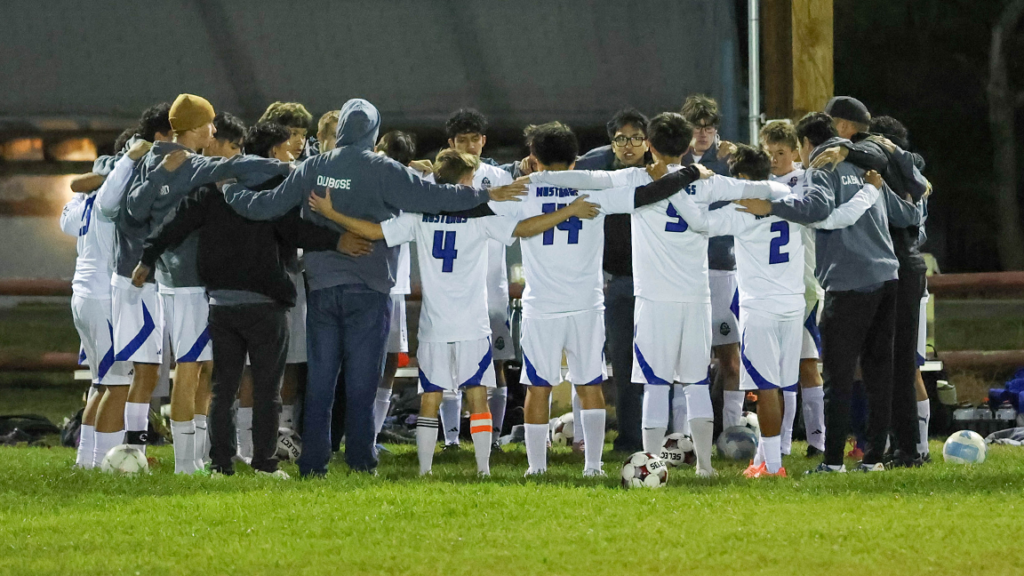
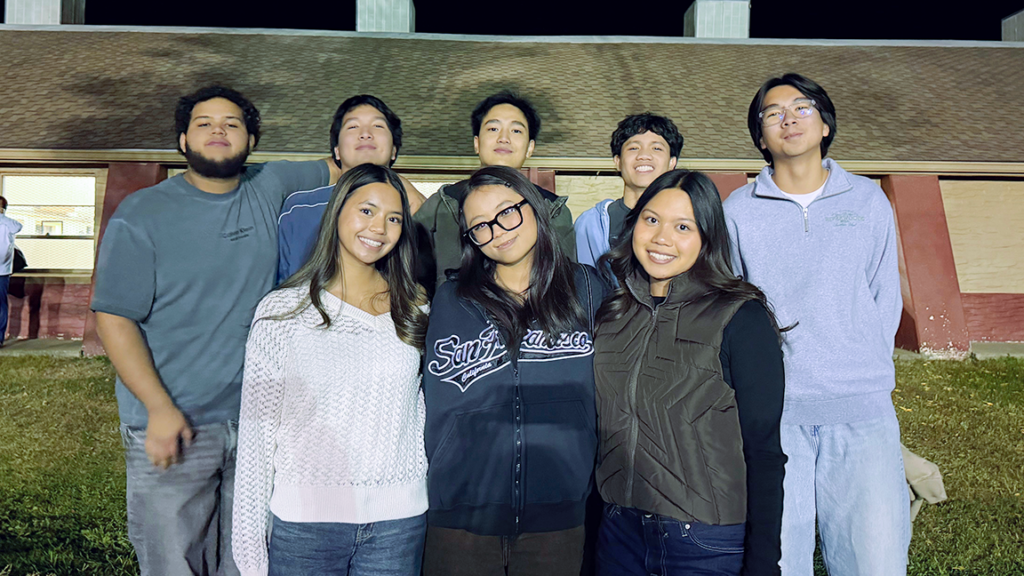
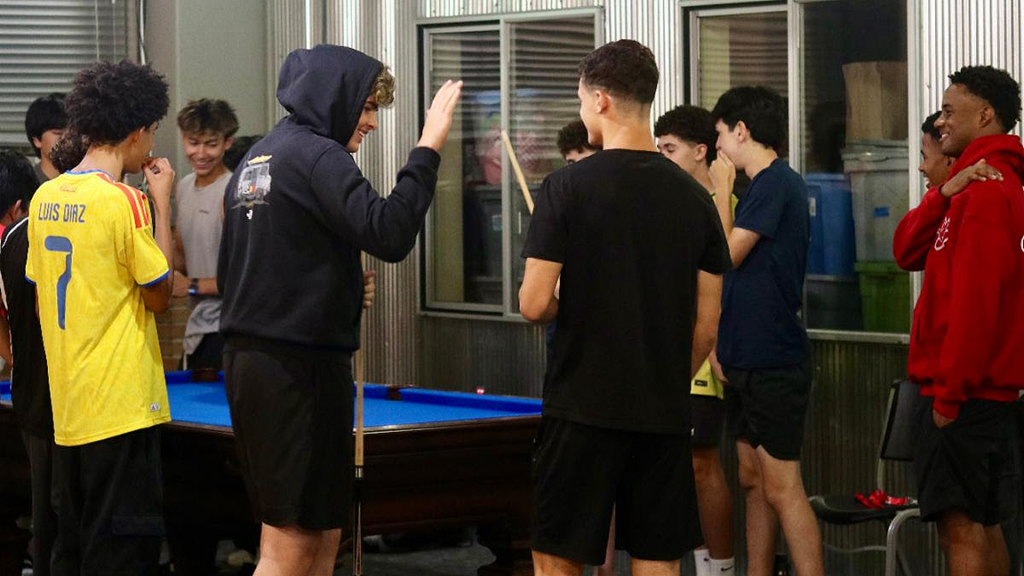
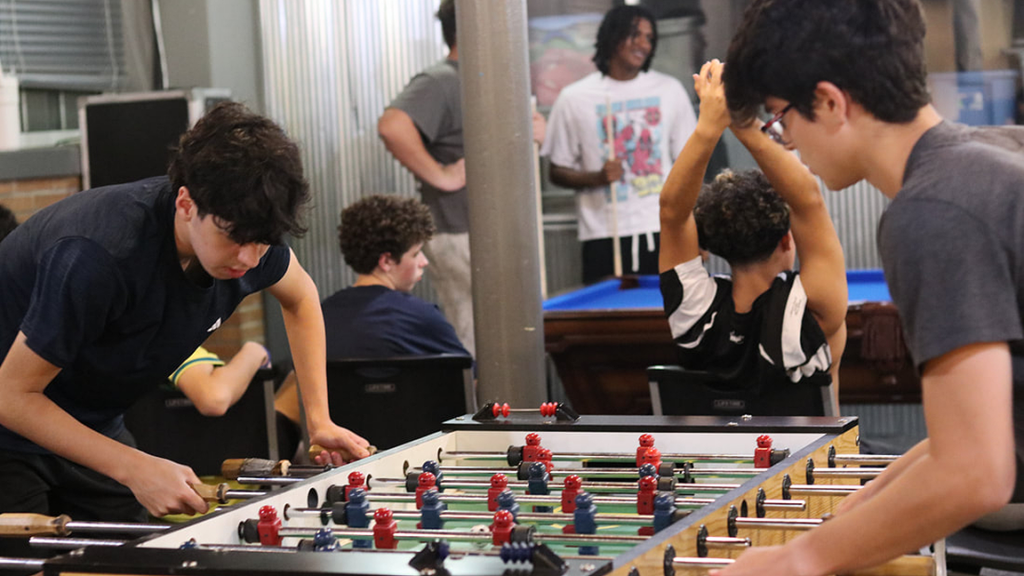
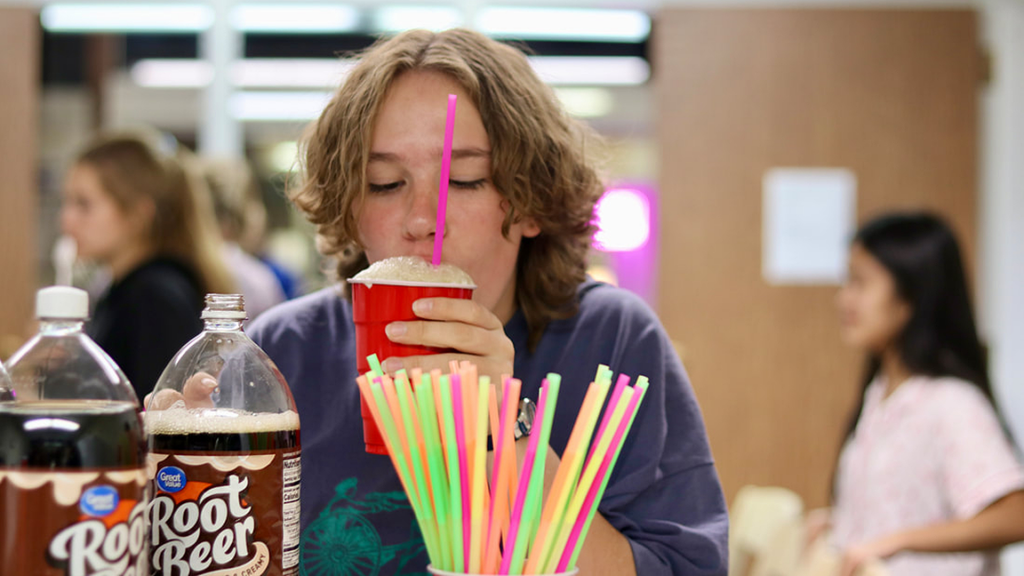
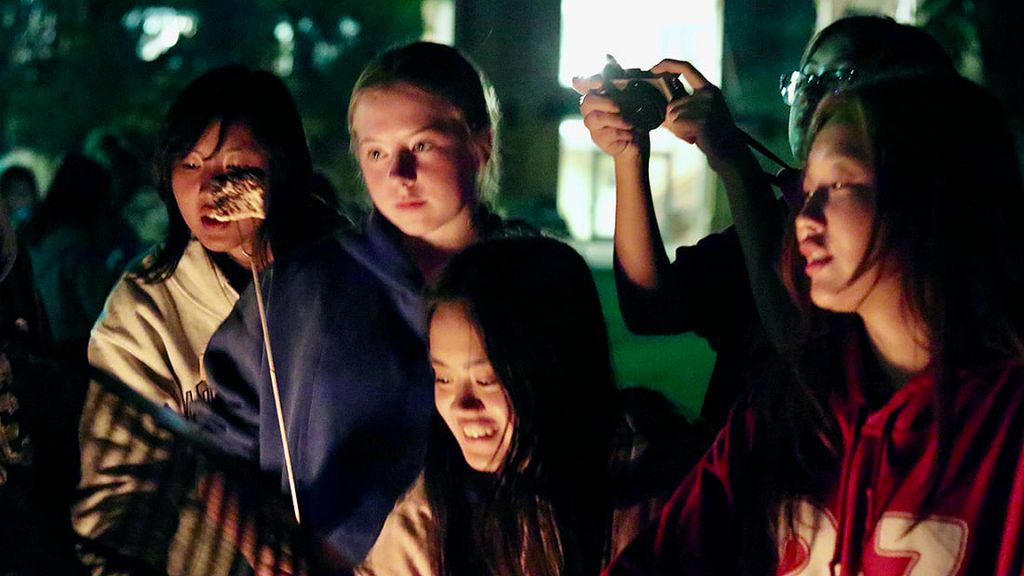
The day concluded with a vespers service and an evening of recreation at Mile High Academy with a fellowship meal of homemade pizza provided by members of Vine + Branches.
“Praise Jesus! It was a wonderful weekend. I am grateful for the way God pulled everything together. There were many moments throughout the weekend I saw God at work—encouraging hearts in mission, bringing conviction towards personal calling and answering our prayers as a leadership team,” praised Carpenter.
She continued, “It was encouraging to hear how God was working on hearts at the end of the day in our closing vespers. It reminded me again that this is His mission we’re a part of and we can trust Him to see it through.”
“It was a very good weekend,” remarked Sally Donga, attendee and ministry leader at Littleton Church. “There were so many people who had the same focus and ideal of witnessing, reaching out, and getting to people that that need to have that energy from Jesus Christ—having people who are all together in one place that have the same focus is very energizing.”
Ultimately, Mission Summit 2026 was a reminder that mission is not confined to a particular program, weekend, or group of people. When churches, schools, ministries, and individual members share what God is doing, encouragement multiplies and a stronger sense of unity emerges. It is the calling of every follower of Jesus—to serve, to share, to follow, and to make Christ known wherever God has placed them. Mark your calendars for August 28, 2027, when RMC will gather again in mission.
—RMCNews. Interviews conducted by Liz Kirkland, RMC Communication director. Portions of the article were curated by ChatGPT with interviews, additions, revisions, and editing by Liz Kirkland. Photos by Sean Lee, Tim Olaore, and Liz Kirkland.